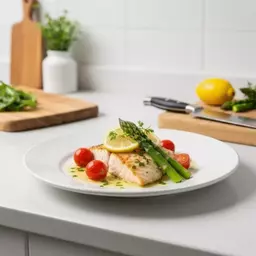
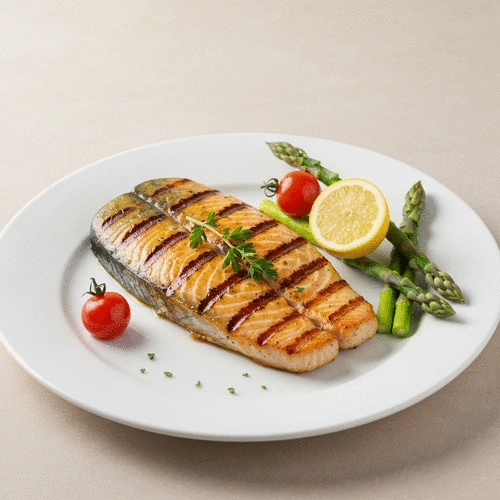
What if I told you that a single fish could enhance your meals while supporting your health? Grilled mahi-mahi is not just a culinary delight; it’s a powerhouse of nutrition waiting to transform your dining experience.
What You Will Learn
- Mahi-mahi is rich in high-quality protein and low in calories, making it an excellent choice for healthy eating.
- This fish is heart-healthy, packed with Omega-3 fatty acids that promote cardiovascular well-being.
- Simple grilling techniques can help you achieve perfectly juicy mahi-mahi every time.
- Creative variations, like Mediterranean and Cajun-inspired recipes, can elevate your grilled mahi-mahi dishes.
Mahi-Mahi Nutritional Insights
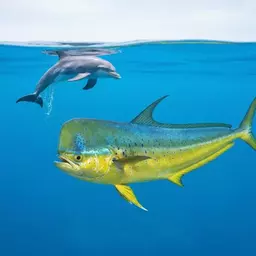
Delve into the key nutritional highlights and health benefits of grilled Mahi-Mahi, showcasing its protein content, Omega-3s, and overall dietary value. For more detailed insights into the species, you can explore understanding dolphin fish and dolphins.
Nutritional Value (3-ounce serving)
Key Nutritional Highlights
- High-quality protein
- Rich in Omega-3 fatty acids
- Low in saturated fats
- Essential vitamins & minerals (B12, selenium)
Health Benefits
- Improves heart health
- Boosts brain function
- Supports muscle health
- Aids in weight management (low calorie)
Sustainability & Safety
Delicious and Nutritious Grilled Mahi-Mahi Recipes You Can Try Today
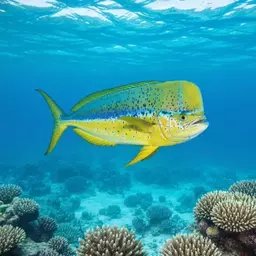
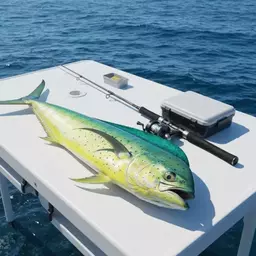
Have you ever thought about how tasty and healthy grilled mahi-mahi can be? This delightful fish, also known as dolphin fish, isn’t just a favorite among anglers but is also packed with nutritional benefits that make it a fantastic addition to your meals!
As a marine biologist and the founder of the Marine Species Guide, I can assure you that enjoying mahi-mahi can be both a culinary adventure and a step towards responsible seafood consumption. Let's dive into why this fish is not only delicious but also good for you!
Understanding Mahi-Mahi: Is This Dolphin Fish Good for You?
Mahi-mahi is not just a pretty fish with vibrant colors; it has a lot going for it in the health department! Many people wonder if this fish is truly good for their health, and the answer is a resounding yes!
- Rich in Nutrients: Mahi-mahi is a source of high-quality protein.
- Low in Calories: It's a great option for those watching their weight.
- Heart-Healthy: This fish is rich in Omega-3 fatty acids.
Incorporating mahi-mahi into your diet can support your overall health while also satisfying your taste buds. Sounds good, right?
The Health Benefits of Grilled Mahi-Mahi
Grilled mahi-mahi is a fantastic choice for a healthy meal. It's not only flavorful but also comes with an array of health benefits. Eating this fish can help with:
- Improving heart health by lowering cholesterol levels.
- Boosting brain function thanks to its Omega-3 content.
- Providing essential vitamins and minerals like Vitamin B12 and selenium.
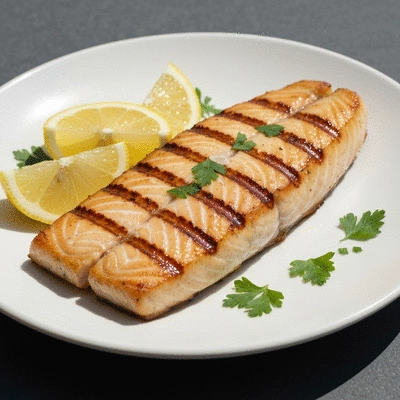
With every bite, you're nourishing your body while enjoying a delicious meal. What could be better?
Key Nutritional Highlights: Protein, Omega-3s, and More
Mahi-mahi stands out in terms of its nutritional profile. It’s rich in protein, which is essential for building and repairing tissues. Here are some key highlights:
- Approximately 23 grams of protein per 3-ounce serving.
- Contains Omega-3 fatty acids that are beneficial for your heart.
- Low in saturated fats, making it a heart-healthy option.
Choosing mahi-mahi not only supports your taste for adventure but also aligns with your health goals! For more simple and delicious ways to prepare this fish, check out our simple mahi-mahi recipes to try.
Mahi-Mahi Nutritional Value: What You Should Know
Understanding the nutritional value of mahi-mahi can help you make informed choices for your meals. Here's a quick breakdown:
- Calories: Around 130 calories in a 3-ounce cooked portion.
- Protein: Offers a whopping 23 grams of protein.
- Fat: Contains about 2 grams of fat, with minimal saturated fat.
Incorporating mahi-mahi into your diet is a delicious way to enjoy a low-calorie, nutrient-dense fish. Plus, it fits perfectly in various diets, from keto to paleo!
Essential Ingredients for Healthy Grilled Mahi-Mahi
Cooking mahi-mahi is not just about the fish itself; the ingredients you choose can make all the difference. Let’s explore what you need to create a truly scrumptious grilled mahi-mahi!
Choosing the Right Fish: Fresh Mahi-Mahi vs. Frozen
When it comes to selecting mahi-mahi, freshness is key! Here are some tips to help you choose:
- Fresh Mahi-Mahi: Look for fish with a mild scent, firm flesh, and bright color.
- Frozen Mahi-Mahi: Opt for flash-frozen fish to retain its quality and flavor.
Make sure to check labels if you’re buying frozen. You want to ensure it’s sustainably sourced for the best experience!
Flavorful Additions: Olive Oil, Lemon Juice, and Spices
To elevate your mahi-mahi dish, consider using these flavorful additions:
- Drizzle of extra virgin olive oil for healthy fats.
- Fresh lemon juice for a zesty brightness.
- Your favorite spices, such as paprika, garlic powder, or a touch of cumin.
These ingredients not only enhance the flavor but also contribute to a healthier meal. Plus, a little zest can go a long way!
Marinade Recipes to Enhance Your Mahi-Mahi Flavor
Marinating your mahi-mahi can take it to the next level! Here are a couple of easy marinade ideas:
- Herb Citrus Marinade: Mix olive oil, lemon juice, garlic, and fresh herbs.
- Spicy Mango Marinade: Blend ripe mango, lime juice, and chili powder for a tropical twist.
Let your fish marinate for at least 30 minutes before grilling to absorb those delicious flavors!
Simple Grilling Techniques to Perfect Your Mahi-Mahi
Grilling mahi-mahi is a straightforward process that can yield juicy, flavorful results. Let’s go over some simple techniques!
Step-by-Step Instructions for Juicy Grilled Mahi-Mahi
Follow these steps to achieve perfectly grilled mahi-mahi:
- Preheat your grill to medium-high heat.
- Brush both sides of the fish with olive oil and season with salt and pepper.
- Place the mahi-mahi on the grill, cooking for about 4-5 minutes per side.
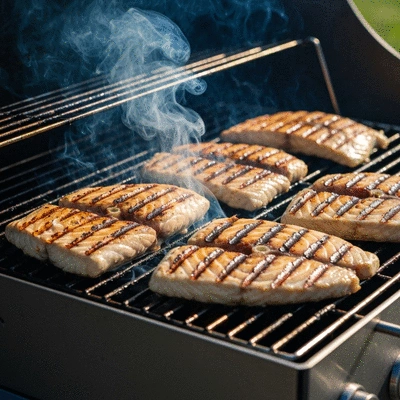
Don't forget to check for doneness—your fish should flake easily with a fork!
Tips to Prevent Drying Out Your Dolphin Fish
One of the common challenges when grilling fish is keeping it moist. Here are some tips:
- Avoid overcooking; keep an eye on the cooking time.
- Use a marinade to lock in moisture.
- Consider grilling on a cedar plank for added flavor and moisture retention.
These simple techniques can make all the difference in ensuring each bite is succulent!
Cooking Temperatures for Perfectly Grilled Fish
Knowing the right cooking temperature is crucial for delicious grilled mahi-mahi. Aim for:
- 145°F (63°C): The internal temperature for safe consumption.
- Check with a food thermometer to ensure it's cooked through.
Perfectly cooked mahi-mahi will be opaque and flake easily, indicating it’s ready to serve!
Creative Variations to Elevate Your Grilled Mahi-Mahi
Now that we’ve covered the basics, let’s get creative with some fun variations to elevate your grilled mahi-mahi!
Exploring Mediterranean and Cajun Inspirations
Why not explore different cuisines with your mahi-mahi? Here are a couple of ideas:
- Mediterranean Style: Use olive oil, oregano, and feta cheese for a Greek twist.
- Cajun Spice: Coat your fish with a spicy Cajun seasoning for a kick!
These variations not only broaden your culinary horizons but also let you explore different flavor profiles.
Grilled Fish Tacos: A Fun and Flavorful Twist
Who doesn’t love a good taco? Using grilled mahi-mahi as a filling can result in a delicious meal. Here’s how:
- Flake the grilled fish and place it in warm tortillas.
- Add fresh toppings like cabbage, avocado, and salsa.
- Finish with a squeeze of lime for an extra zest!
Grilled fish tacos can be an exciting and interactive meal for family and friends alike!
Complementing Your Dish: Tropical Salsas and Side Pairings
Pairing your mahi-mahi with the right sides can enhance the dining experience. Consider these options:
- Tropical Salsa: Mango or pineapple salsa can add a fresh taste.
- Side Salads: A light mixed green salad can complement the meal nicely.
Choosing the right sides is all about balancing flavors and textures, so don’t hesitate to experiment!
Nutrition Breakdown: How to Make the Most of Your Meal
As you enjoy your grilled mahi-mahi, understanding its nutritional value can help you maximize its health benefits. Let’s break it down!
Calorie Counts and Portion Sizes for Healthy Eating
It's essential to be mindful of portion sizes. Here’s a simple guideline:
- A standard serving size is around 3-4 ounces of cooked mahi-mahi.
- This portion typically contains approximately 130 calories.
By keeping portions in check, you can enjoy this delicious fish without guilt!
Understanding Macronutrients: Ideal for Keto and Paleo Diets
For those following specific diets like keto or paleo, mahi-mahi fits beautifully. It’s:
- High in protein, supporting muscle health.
- Low in carbs, making it a perfect option for keto enthusiasts.
Incorporating mahi-mahi into your meal plan can help keep your diet on track while enjoying delightful flavors!
Low-Calorie Meals: Making Mahi-Mahi Fit Your Diet Plan
Looking to keep your meals light? Mahi-mahi is a great low-calorie option that can easily fit into any diet plan:
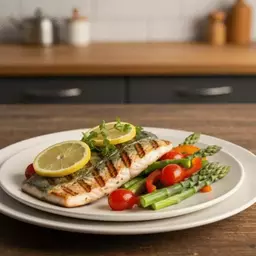
- Pair it with steamed vegetables for a wholesome dinner.
- Add quinoa or brown rice for a balanced meal.
With a little creativity, your meals can be both nutritious and satisfying!
Expert Health Tips for Enjoying Mahi-Mahi
As you embrace mahi-mahi in your meals, here are some expert health tips to keep in mind!
How Mahi-Mahi Supports Heart and Brain Health
Incorporating mahi-mahi into your diet can have positive effects on your heart and brain. With its high Omega-3 content, it can:
- Reduce the risk of heart diseases.
- Support cognitive function and mental well-being.
Eating this fish regularly is an excellent way to care for your body!
Addressing Concerns: Mercury Levels and Sustainability of Dolphin Fish
I often get asked about mercury levels in fish, and it’s a valid concern. Mahi-mahi is typically low in mercury when sourced correctly. Always:
- Choose sustainably caught mahi-mahi.
- Check local advisories for specific recommendations.
By being informed, you can enjoy your fish while supporting healthy oceans!
Seafood Sustainability: Choosing Wild-Caught Mahi-Mahi
At the Marine Species Guide, we emphasize the importance of sustainable fishing practices. Opting for wild-caught mahi-mahi not only supports the environment but also ensures better taste and quality. Here’s why:
- Supports local fisheries: Helps sustain fishing communities.
- Better flavor: Wild-caught fish tend to have a more pronounced taste.
Choosing sustainable seafood is a delicious way to make a difference! You can read more about sustainable dolphin fish fishing practices here.
Meal Prep and Storage Tips for Grilled Mahi-Mahi
Finally, let's talk about how to store and prep your grilled mahi-mahi for later enjoyment!
How to Store Cooked Mahi-Mahi and Enjoy it Later
After enjoying your grilled mahi-mahi, you may want to save some for later. Here’s how:
- Allow the fish to cool down to room temperature.
- Store in an airtight container in the refrigerator for up to 3 days.
With proper storage, you can enjoy delicious leftovers that are still packed with flavor!
Best Sides for Fish: Enhancing Your Grilled Meal
When it comes to pairing sides with your mahi-mahi, consider these options:
- Light salads to complement the fish.
- Roasted vegetables for added nutrition.
Choosing the right sides can elevate your meal from good to fantastic!
Meal Prep Ideas for Busy Weekdays Featuring Mahi-Mahi
For those hectic weekdays, having meal prep ideas can save you time while still enjoying delicious mahi-mahi:
- Pre-marinate fish on the weekend for quick grilling during the week.
- Pair with pre-cooked grains for easy, healthy meals.
With a little planning, you can enjoy wholesome meals without the hassle!
Quick Poll: Your Grilling Preferences!
As you consider adding grilled mahi-mahi to your meal rotation, we'd love to know your thoughts! What cooking method do you prefer for fish?
Frequently Asked Questions About Grilled Mahi-Mahi
Q: Is mahi-mahi healthy to eat?
A: Yes, mahi-mahi is very healthy! It's rich in high-quality protein, low in calories and saturated fats, and packed with beneficial Omega-3 fatty acids, making it excellent for heart and brain health.
Q: What are the main nutritional benefits of mahi-mahi?
A: Mahi-mahi offers about 23 grams of protein per 3-ounce serving, around 130 calories, and only about 2 grams of fat. It's also a good source of Omega-3s, Vitamin B12, and selenium.
Q: How can I prevent mahi-mahi from drying out on the grill?
A: To keep grilled mahi-mahi moist, avoid overcooking, use a marinade to lock in moisture, and consider grilling it on a cedar plank for added flavor and moisture retention.
Q: What is the ideal internal temperature for grilled mahi-mahi?
A: The ideal internal temperature for perfectly cooked and safe-to-eat grilled mahi-mahi is 145°F (63°C). You can check this with a food thermometer.
Q: Is mahi-mahi sustainable and safe regarding mercury levels?
A: When sourced correctly, mahi-mahi typically has low mercury levels. It's important to choose sustainably caught mahi-mahi to support healthy oceans and ensure quality. Always check local advisories.
Wrapping Up Your Healthy Grilled Mahi-Mahi Experience
As we've explored throughout this article, grilled mahi-mahi offers a wealth of benefits that make it a fantastic addition to your diet. Not only is it delicious with its **flaky texture and vibrant flavor**, but it also boasts impressive nutritional value. Incorporating grilled mahi-mahi into your meals can help you embrace a healthier lifestyle while enjoying fresh, sustainable seafood!
Why Grilled Mahi-Mahi Should Be a Regular in Your Diet
So, why should grilled mahi-mahi be a staple on your dinner table? Here are just a few compelling reasons:
- Rich in nutrients: Packed with protein and essential fatty acids, mahi-mahi supports muscle health and overall well-being.
- Heart-healthy option: The omega-3 fatty acids in mahi-mahi can help promote cardiovascular health.
- Versatile and easy to cook: With countless preparation methods, this fish can fit into various cuisines and meal styles.
- Sustainable choice: By choosing responsibly sourced mahi-mahi, you contribute to marine conservation efforts.
By making grilled mahi-mahi a regular part of your meal rotation, you not only nourish your body but also support sustainable fishing practices that protect our oceans. It’s a win-win situation!
Engage with Us: Share Your Favorite Recipes and Tips!
We love hearing from our community! Have you tried grilling mahi-mahi or discovered a unique recipe that brings out its best flavors? I invite you to share your favorite grilling experiences or cooking tips with us. Sharing is what makes our culinary adventures even more enjoyable!
Additionally, if you're curious about new recipes or have specific questions about mahi-mahi, feel free to reach out through the Marine Species Guide. Together, we can continue to explore the delightful world of seafood and sustainable cooking. Let’s keep the conversation going and support each other in our journey toward healthier, more responsible eating! If you're interested in more Australian-inspired dishes, don't miss our dolphin fish recipes from Australia.
Recap of Key Points
Here is a quick recap of the important points discussed in the article:
- Nutritious Choice: Mahi-mahi is rich in high-quality protein, low in calories, and packed with Omega-3 fatty acids, making it a heart-healthy option.
- Grilling Tips: Use a marinade to lock in moisture, avoid overcooking, and aim for an internal temperature of 145°F (63°C) for safe consumption.
- Freshness Matters: Always choose fresh or sustainably sourced mahi-mahi to enhance flavor and support marine conservation.
- Flavorful Enhancements: Incorporate olive oil, lemon juice, and spices for added zest, and consider tropical salsas or light salads as side dishes.
- Meal Prep Ideas: Pre-marinate mahi-mahi and pair with pre-cooked grains for quick, healthy meals during busy weekdays.