Mahi-mahi, or dolphin fish, is often confused with marine mammals like dolphins. Understanding the differences can enhance your appreciation for marine life and inform responsible fishing practices.
What You Will Learn
- Dolphin fish (mahi-mahi) and dolphins are distinct; one is a fish, the other a mammal.
- Mahi-mahi has a vibrant coloration and plays a critical role in marine ecosystems as both predator and prey.
- Their habitats include tropical and subtropical waters, crucial for their breeding and feeding.
- Mahi-mahi is rich in omega-3 fatty acids and offers significant health benefits, making it a nutritious seafood choice.
- Sustainable fishing practices are vital for the conservation of mahi-mahi populations and their habitats.
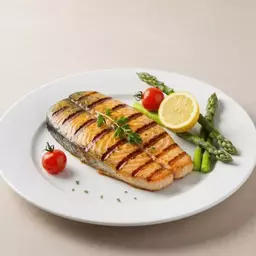
- Cooking techniques such as grilling, baking, and pan-searing enhance the flavor and quality of mahi-mahi dishes.
- Pairing mahi-mahi with complementary sides, like mango salsa or quinoa salads, elevates culinary experiences.
Dolphin Fish vs. Marine Mammals: A Clear Distinction
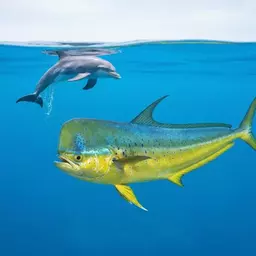
This visual highlights the key biological differences between dolphin fish (mahi-mahi) and marine dolphins, clarifying common misconceptions.
Mahi-Mahi (Dolphin Fish) - Coryphaena hippurus
Classification: Fish
Body Type: Streamlined, long dorsal fin
Reproduction: Spawns in open waters
Lifespan: Typically 4-5 years
Dolphins - Delphinidae family
Classification: Mammals
Body Type: Sleek, blowhole, warm-blooded
Reproduction: Live birth, nurse young
Lifespan: Varies by species, often 20-50+ years
Mahi-Mahi Key Nutritional Benefits
- High in Protein: Lean source for muscle maintenance.
- Rich in Vitamins: B6, B12, Niacin for energy.
- Omega-3 Fatty Acids: Supports heart and brain health.
- Low in Calories: Satisfying, diet-friendly meal.
Popular Mahi-Mahi Cooking Techniques
- Grilling: Smoky char, perfect for summer.
- Baking: Moist, especially in foil with herbs.
- Pan-searing: Locks in moisture and flavor.
- Sashimi: For delicate, fresh taste.
Understanding Dolphin Fish: Mahi-Mahi vs. Marine Mammals
Have you ever been confused about the terms dolphin fish and dolphins? You're not alone! Many people mistakenly think these two share similarities, but they couldn't be more different. The dolphin fish, scientifically known as Coryphaena hippurus, is a vibrant, fast-swimming fish found in warmer waters, while dolphins are highly intelligent marine mammals that belong to the Delphinidae family. Understanding this distinction is key for anyone passionate about marine life.
Clearing Up the Confusion: Dolphin Fish vs. Dolphins
Let's take a closer look at the differences between these two fascinating creatures. Dolphin fish are known for their stunning colors, including iridescent greens and blues, while dolphins are commonly recognized by their sleek bodies and social behavior. For example, the common bottlenose dolphin is a well-known marine mammal with a distinct appearance. Here’s a quick comparison:
- Classification: Dolphin fish are fish; dolphins are mammals.
- Anatomy: Dolphin fish have a streamlined body and a long dorsal fin; dolphins have a blowhole and are warm-blooded.
- Reproduction: Dolphin fish spawn in open waters; dolphins give birth to live young and nurse them.
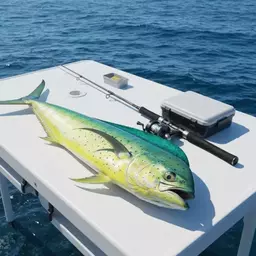
Knowing these distinctions not only enhances your appreciation for both species but also informs responsible fishing practices. It's essential to recognize what we are catching and where our seafood originates!
What is Mahi-Mahi? Key Characteristics and Biology
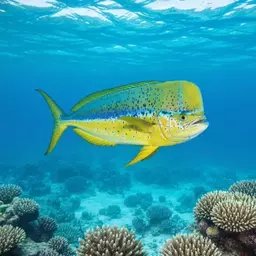
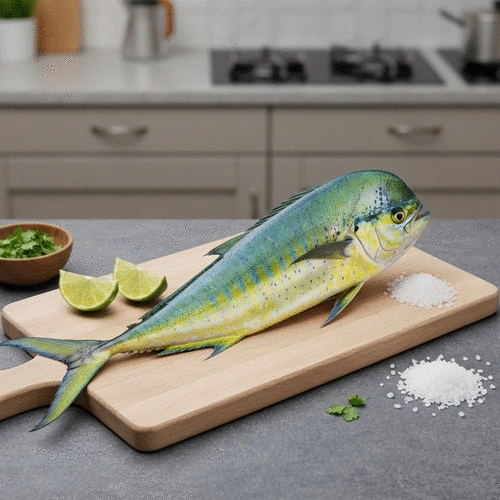
The term mahi-mahi refers to the dolphin fish, celebrated for its unique physical characteristics and incredible adaptability. They possess an elongated body that can grow up to 1.8 meters in length and weigh around 40 kilograms. What's fascinating is their vibrant coloration, which can change dramatically based on their mood and environment!
In terms of diet, mahi-mahi are opportunistic feeders, primarily consuming smaller fish, squid, and crustaceans. Their lifespan typically ranges from 4 to 5 years, and they exhibit some unique adaptations, such as excellent swimming speed and a capacity to thrive in a variety of marine habitats. This adaptability makes them a popular catch among recreational anglers here in Australia!
Mahi-Mahi's Role in Marine Ecosystems
Mahi-mahi play a crucial role in maintaining healthy marine ecosystems. As pelagic fish, they occupy the open ocean and contribute to marine biodiversity by serving as both predator and prey in the food web. Their presence supports various species, including larger predators like sharks and tuna.
- Predatory Role: They help control populations of smaller fish, ensuring ecological balance.
- Prey for Larger Species: Mahi-mahi are a vital food source for sharks, marlins, and seabirds.
- Indicator Species: Their health reflects overall ocean health, making them important for monitoring marine ecosystems.
By understanding the ecological importance of mahi-mahi, we can better appreciate the need for sustainable fishing practices. This awareness is what drives my passion here at the Marine Species Guide, as we aim to educate others about marine conservation and responsible seafood consumption!
Habitat and Distribution of Dolphin Fish
Where to Find Mahi-Mahi: Preferred Environments
Mahi-mahi thrive in tropical and subtropical waters, often found near floating debris like seaweed, logs, and buoys. These environments provide shelter and feeding opportunities. They prefer surface waters with temperatures ranging from 22°C to 28°C, making areas around Australia’s Great Barrier Reef and Coral Sea perfect habitats!
Global Distribution and Population Trends
Globally, mahi-mahi are distributed in warm oceanic waters, predominantly found in the Atlantic, Pacific, and Indian Oceans. Over the years, their populations have shown resilience, but climate change poses significant threats to their habitats. Rising sea temperatures may impact their breeding and migration patterns, necessitating our attention to conservation efforts. The Dolphinfish Management Strategy Evaluation by NOAA Fisheries highlights ongoing efforts to ensure sustainable populations in the Atlantic.
Migration Patterns of Mahi-Mahi
Mahi-mahi are known for their migratory behavior, often traveling vast distances in search of food and optimal breeding conditions. This migration affects their availability for fishing, making it essential for anglers to understand these patterns for successful catches. Additionally, these movements highlight the need for effective management strategies to ensure sustainable populations.
Did You Know?
According to a recent study, sustainable fishing practices can lead to up to a 50% increase in fish populations over time. By choosing to fish responsibly and support conservation efforts, not only do we enjoy delicious meals, but we also help protect marine ecosystems for future generations!
Frequently Asked Questions about Mahi-Mahi
Q: What is the main difference between dolphin fish and marine dolphins?
A: The main difference is their classification: dolphin fish (mahi-mahi) are a type of fish, while marine dolphins are mammals. They belong to completely different biological categories, with distinct anatomies, reproductive methods, and lifespans.
Q: What are the key nutritional benefits of eating mahi-mahi?
A: Mahi-mahi is highly nutritious, offering a great source of lean protein, essential vitamins (B6, B12, niacin), and beneficial omega-3 fatty acids. It's also low in calories, making it a healthy choice for various diets.
Q: Where can mahi-mahi typically be found?
A: Mahi-mahi prefer tropical and subtropical waters across the Atlantic, Pacific, and Indian Oceans. They are often found near floating debris, which provides shelter and food, and thrive in surface waters with temperatures between 22°C and 28°C.
Q: What role does mahi-mahi play in marine ecosystems?
A: Mahi-mahi are crucial to marine ecosystems as both predators and prey. They help regulate populations of smaller fish and serve as a vital food source for larger marine species, contributing to marine biodiversity and overall ocean health.
Q: What are some popular cooking techniques for mahi-mahi?
A: Popular cooking techniques include grilling for a smoky char, baking to maintain moisture, pan-searing to lock in flavor, and even sashimi-style preparation for a delicate, fresh taste. These methods highlight its versatility and delicious flavor.
Enhancing Your Culinary Experience with Mahi-Mahi
Health Benefits and Nutritional Aspects of Dolphin Fish
When it comes to seafood, mahi-mahi stands out not just for its delicious taste but also for its impressive nutritional profile. This vibrant fish is rich in omega-3 fatty acids, which are known for their numerous health benefits. Not only do they promote heart health, but they also contribute to brain function and can even improve mood!
Incorporating mahi-mahi into your diet can help you achieve a well-balanced meal. Here are some of the key nutritional benefits of mahi-mahi:
- High in Protein: Mahi-mahi is a great source of lean protein, making it an excellent choice for anyone looking to maintain muscle mass.
- Rich in Vitamins: This fish is loaded with essential vitamins such as B6, B12, and niacin, which play vital roles in energy metabolism.
- Low in Calories: For those who are calorie-conscious, mahi-mahi offers a satisfying meal without packing on the pounds.
So, if you’re looking to boost your nutrition while enjoying a delightful meal, I highly recommend adding mahi-mahi to your dinner table!
Cooking Tips and Recipes to Preserve Quality and Flavor
Cooking mahi-mahi is a delightful experience, and with the right techniques, you can ensure it remains flavorful and appealing. One of my favorite tips is to always start with fresh, high-quality fish. This makes a huge difference!
Here are some practical cooking techniques and recipes that will help you highlight the vibrant flavors of mahi-mahi:
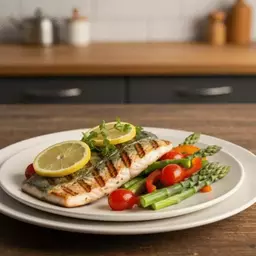
- Grilling: Marinate your mahi-mahi with lime juice, garlic, and cilantro before grilling for a burst of flavor.
- Baking: Bake it with a light breadcrumb crust for a golden, crispy exterior.
- Pan-searing: Quickly sear mahi-mahi in a hot pan to lock in moisture and flavor!
By following these techniques, you'll preserve the fish's beautiful colors and textures, making your dish not only tasty but visually appealing as well!
Popular Cooking Techniques for Mahi-Mahi
There are several popular cooking methods for preparing mahi-mahi, each bringing out different aspects of its flavor. Let’s take a look at a few of them:
- Grilling: Perfect for summer evenings, grilling adds a smoky char that complements the fish beautifully.
- Baking: Baking mahi-mahi keeps it moist, especially when wrapped in foil with fresh herbs.
- Sashimi: If you’re feeling adventurous, try sashimi-style preparation to appreciate the delicate flavors of fresh mahi-mahi.
Each method has its unique advantages and can cater to various palates, so don’t hesitate to experiment!
Food Pairings and Recipe Ideas for Mahi-Mahi
Pairing mahi-mahi with the right sides and flavors can elevate your meal to new heights! Here are some complementary culinary herbs and side dishes to consider:
- Cilantro: This herb adds a fresh, zesty flavor that pairs perfectly with mahi-mahi.
- Mango Salsa: A sweet and tangy mango salsa provides a beautiful contrast to the fish's taste.
- Quinoa Salad: A light quinoa salad with vegetables can serve as a healthy and filling side dish.
These pairings not only enhance the dining experience but also promote a well-rounded meal that celebrates the deliciousness of mahi-mahi!
Recap of Key Points
Here is a quick recap of the important points discussed in the article:
- Dolphin fish (mahi-mahi) and dolphins are distinctly different; one is a fish, and the other is a mammal.
- Mahi-mahi are known for their vibrant colors and play a key role in marine ecosystems, balancing predator-prey dynamics.
- Sustainable fishing practices are essential for preserving mahi-mahi populations and marine habitats.
- Mahi-mahi is rich in nutrients, offering health benefits such as high protein and omega-3 fatty acids.
- Cooking techniques like grilling, baking, and pan-searing can enhance the flavor of mahi-mahi, while fresh ingredient pairings elevate the dish.