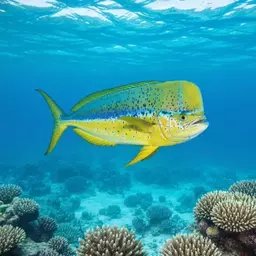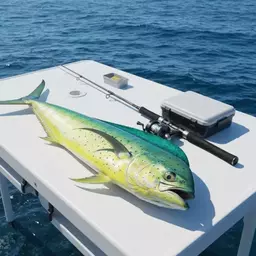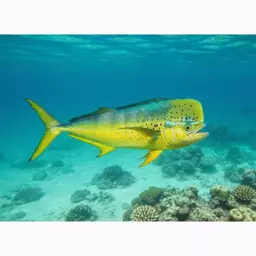
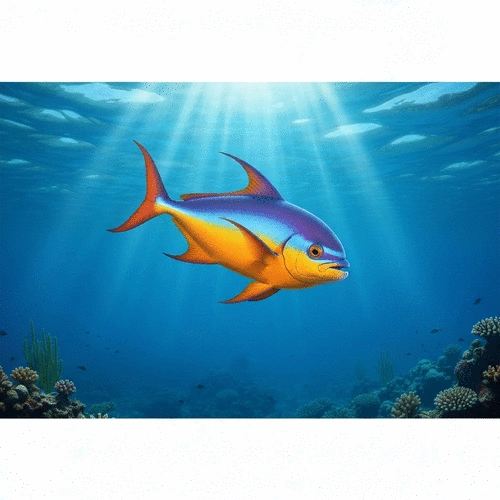
Did you know that the dolphin fish, also known as mahi-mahi, is not only prized by anglers but also plays a crucial role in maintaining marine ecosystem balance? Understanding their significance can empower us to take action in their conservation.
What You Will Learn
- Dolphin fish are essential for controlling smaller fish populations, helping to maintain ecosystem balance.
- As a key food source for larger predators, their presence is vital for marine food webs.
- Overfishing and bycatch are significant threats, necessitating sustainable fishing practices.
- Pollution and climate change further complicate their survival, impacting breeding and feeding behaviors.
- Community engagement and education are critical for promoting dolphin fish conservation efforts.
Dolphin Fish Conservation: Threats and Protective Measures
An overview of the challenges facing dolphin fish populations and the strategies in place to protect them.
Key Threats
- Overfishing
- Bycatch
- Pollution
- Climate Change
Protective Measures
- Regulated Quotas (AFMA)
- Revised Fishing Practices
- Plastic Waste Reduction
- Climate Change Advocacy
Sustainable Fishing Practices
- Catch and Release
- Selective Gear Use
- Adhering to Quotas
Community Action
- Join Conservation Groups
- Citizen Science Initiatives
- Support Sustainable Seafood
Understanding Dolphin Fish Conservation in Australia
As a marine biologist, I’ve come to appreciate the intricate role that the dolphin fish (Coryphaena hippurus), often called mahi-mahi, plays in our marine ecosystems. These vibrant fish are not just a favorite among anglers; they are a crucial part of the food web. By understanding their ecological significance, we can better appreciate why conservation efforts are so vital.
Dolphin fish are predatory species, feeding on smaller fish and invertebrates. This makes them essential in maintaining the balance of marine biodiversity. Their presence indicates a healthy ecosystem, and protecting them means protecting the entire marine environment. As enthusiasts and advocates for sustainable fishing practices, we must prioritize their conservation for future generations.
The Importance of Coryphaena hippurus in Marine Ecosystems
Not only are dolphin fish stunning in appearance, but they also play significant roles in their habitats. Here are a few key points about their importance:
- Predation: They help control populations of smaller fish, ensuring that the ecosystem remains balanced.
- Food Source: Dolphin fish serve as a food source for larger predators, such as sharks and marine mammals.
- Indicator Species: Their health reflects the overall state of the marine environment, making them vital to ecological assessments.
By understanding these roles, we can appreciate the need for effective conservation strategies aimed at protecting dolphin fish and their habitats.
Current State of Dolphin Fish Populations in Australia
Currently, the population statistics for dolphin fish in Australia show both promise and concern. While they are still prevalent in many areas, factors like overfishing pose risks to their numbers. Stock assessments conducted by the Australian Fisheries Management Authority (AFMA) reveal fluctuations in populations, indicating that we need to stay vigilant.
Overfishing remains a major threat, with many fishers unaware of the limits to sustainable catch. By being educated about these statistics and actively promoting responsible fishing practices, we can help maintain healthy dolphin fish populations in our waters.
Identifying Key Threats to Dolphin Fish
Overfishing and Its Consequences
One of the most pressing issues facing the dolphin fish is overfishing. AFMA has implemented quotas and regulations to manage their populations, yet many fishermen struggle to adhere to these guidelines. Overfishing not only diminishes dolphin fish numbers but also disrupts the entire marine ecosystem.
It’s crucial for us as a community to understand the impact of our fishing practices. By respecting quotas and choosing sustainable options, we can significantly reduce the pressure on dolphin fish populations.
Bycatch and Its Impact on Dolphin Fish Survival
Bycatch refers to the unintended capture of non-target species during fishing. For dolphin fish, this can be devastating. Fishing methods such as gillnets and trawls often result in significant bycatch, which threatens their survival.
This stress on populations becomes a cycle; decreased dolphin fish numbers can lead to ecological imbalances. Thus, it’s essential for fishers to adopt practices that minimize bycatch, ensuring a healthier marine environment for all species.
Pollution and Climate Change: Compounding Threats
In addition to fishing pressures, pollution and climate change pose serious threats to dolphin fish and their habitats. Plastic pollution, for example, can impact the health of marine ecosystems, while rising ocean temperatures alter their breeding and feeding behaviors. The Great Barrier Reef Marine Park Authority (GBRMPA) highlights how climate change impacts marine biodiversity, including species like dolphin fish, emphasizing the need for comprehensive strategies.
As advocates for marine conservation, we must recognize these challenges and take action to mitigate their effects. Supporting initiatives aimed at reducing plastic waste and combatting climate change is essential for the future of our oceanic ecosystems.
Sustainable Fishing Practices and Their Importance
Implementing sustainable fishing practices is critical for the conservation of dolphin fish. These methods not only help maintain fish populations but also protect marine ecosystems as a whole. Here are some practices to consider:
- Catch and Release: Using techniques that allow the safe return of fish to their habitat.
- Selective Gear: Employing fishing gear that minimizes bycatch and target species impact.
- Adhering to Quotas: Respecting local regulations regarding catch limits to ensure future fish populations.
By embracing these sustainable practices, we contribute to the long-term health of dolphin fish and the rich marine biodiversity that surrounds us.
Frequently Asked Questions about Dolphin Fish Conservation
- Q: Why are dolphin fish important to marine ecosystems?
- A: Dolphin fish are crucial predators that help control populations of smaller fish, maintaining ecosystem balance. They also serve as a vital food source for larger predators and act as indicator species for marine environmental health.
- Q: What are the main threats to dolphin fish populations in Australia?
- A: The primary threats include overfishing, bycatch (unintended capture during fishing), pollution (especially plastic waste), and climate change, which affects their habitats and behaviors.
- Q: How does overfishing impact dolphin fish?
- A: Overfishing directly reduces dolphin fish numbers, disrupting the marine food web and potentially leading to ecological imbalances if not managed through quotas and regulations.
- Q: What sustainable fishing practices can help conserve dolphin fish?
- A: Key practices include catch and release methods, using selective fishing gear to minimize bycatch, and strictly adhering to local fishing quotas and regulations.
- Q: How can individuals contribute to dolphin fish conservation?
- A: Individuals can help by joining conservation groups, participating in citizen science initiatives, supporting sustainable seafood choices, reducing plastic waste, and advocating for policies that address climate change.
We Want to Hear From You!
What do you think is the most pressing threat to dolphin fish populations? Share your thoughts below:
Summarizing the Challenges and Actions for Dolphin Fish Conservation
As we reflect on the challenges facing dolphin fish in Australia, it’s essential to highlight the key threats we discussed earlier. Overfishing, bycatch, and environmental impacts from pollution and climate change are significant hurdles that threaten the survival of Coryphaena hippurus. Moreover, protective measures such as regulations by the Australian Fisheries Management Authority (AFMA) and various conservation initiatives are in place to ensure the sustainability of these magnificent fish.
Here’s a quick recap of the main threats and protective measures:
- Overfishing: Regulated quotas aim to manage fish populations but still face challenges from illegal fishing.
- Bycatch: Fishing practices that unintentionally capture dolphin fish need to be revised to minimize this risk.
- Pollution: Addressing plastic waste in our oceans is crucial for maintaining healthy habitats.
- Climate Change: Advocacy for policies addressing climate change impacts on marine ecosystems is critical.
Each of these points showcases the importance of community involvement and responsible practices to sustain dolphin fish populations.
Encouraging Continued Awareness and Action
Staying informed and actively participating in conservation efforts can significantly impact the future of our marine ecosystems. The importance of protecting marine species, including dolphins, is underscored by research from Flinders University, which emphasizes the need for collective action. I encourage you to share what you’ve learned about dolphin fish with friends, family, and fellow anglers! Engagement is key—the more people who understand the challenges dolphin fish face, the more support there will be for effective conservation measures.
Here are a few ways you can help:
- Join local conservation groups focused on marine life.
- Participate in citizen science initiatives, such as Dolphin Watch.
- Support sustainable seafood choices in your community and encourage others to do the same.
By acting together, we can ensure that dolphin fish continue to thrive in our waters for generations to come!
Exploring Future Directions in Dolphin Fish Conservation
Looking ahead, I believe there are exciting advancements on the horizon for dolphin fish conservation. Ongoing research into sustainable practices and habitat restoration will be vital in enhancing our understanding of these species and their needs. Additionally, further collaboration with community-based organizations will help raise awareness and support for dolphin fish conservation efforts.
Consider these potential future directions:
- Innovative Research: Embracing new scientific methods to monitor dolphin fish populations and health.
- Policy Enhancements: Advocating for stricter regulations on fishing practices to protect vulnerable populations.
- Community Engagement: Expanding education programs to reach more people and foster a culture of conservation.
As the founder of the Marine Species Guide, I am committed to promoting these initiatives and empowering individuals to make informed decisions that benefit marine biodiversity. Together, we can pave the way for a brighter future for dolphin fish and our oceans!
Recap of Key Points
Here is a quick recap of the important points discussed in the article:
- Dolphin fish play a crucial role in marine ecosystems by controlling populations of smaller fish, serving as a food source for larger predators, and acting as an indicator species for environmental health.
- Overfishing and bycatch are significant threats to dolphin fish populations, necessitating adherence to sustainable fishing practices and regulations.
- Pollution and climate change further jeopardize dolphin fish and their habitats, making it essential to support initiatives aimed at reducing these impacts.
- Implementing sustainable fishing practices such as catch and release, using selective gear, and adhering to quotas is critical for the conservation of dolphin fish.