As we dive deeper into the intricate world of marine ecosystems, understanding the role of the mahi-mahi, or dolphin fish, emerges as crucial. This vibrant species not only captivates anglers but also serves as a key player in maintaining the health of our oceans. Let's explore the vital lessons you can glean from this fascinating marine inhabitant!
What You Will Learn
- Mahi-mahi are vital predators in the marine food web, helping to maintain biodiversity within their ecosystem.
- Their health serves as an indicator of the overall well-being of the Great Barrier Reef, highlighting the interconnectedness of marine life.
- Climate change poses significant threats to mahi-mahi populations, impacting their breeding and food availability.
- Overfishing and unsustainable fishing practices jeopardize mahi-mahi and disrupt the delicate balance of marine ecosystems.
- Bycatch remains a critical issue, highlighting the need for more sustainable fishing methods to protect non-target species.
- Pollution and water quality degradation directly affect mahi-mahi populations, emphasizing the importance of clean marine environments.
- Support for ongoing scientific research is essential to ensuring the sustainability of mahi-mahi and the rich biodiversity of our oceans.
- Individual actions, like choosing sustainably sourced seafood, can significantly contribute to marine conservation efforts.
Threats to Dolphin Fish Populations
Mahi-mahi populations face several critical threats that impact their survival and the health of the marine ecosystem. Understanding these challenges is vital for effective conservation efforts, especially when considering the need for protecting dolphin fish in Australia.
Climate Change Impacts
- Rising Sea Temperatures: Stress on growth & reproduction.
- Ocean Acidification: Hinders food source development.
Overfishing & Bycatch
- Unsustainable Practices: Depletes populations rapidly.
- Bycatch: Unintentional capture of species.
Pollution & Water Quality
- Nutrient Runoff: Algal blooms & habitat degradation.
- Plastic Pollution: Physical harm & feeding issues.
Understanding the Importance of Dolphin Fish in Marine Ecosystems
Have you ever paused to think about the role of the dolphin fish in our oceans? Known as mahi-mahi, these vibrant fish are not only a delight for anglers but also a vital part of marine ecosystems, particularly within the Great Barrier Reef. Understanding their importance helps us appreciate the intricate balance of marine life and the health of our oceans.
Mahi-mahi are easily recognized by their shimmering colors and unique body shapes. They thrive in warm waters, particularly in the Great Barrier Reef, where they enjoy the rich biodiversity that this ecosystem offers. As a marine biologist, I find it fascinating to study how these fish interact with their environment, and I encourage you to explore this remarkable habitat that sustains them!
Defining Mahi-Mahi: Characteristics and Habitat
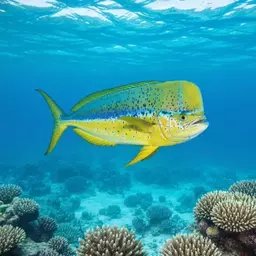
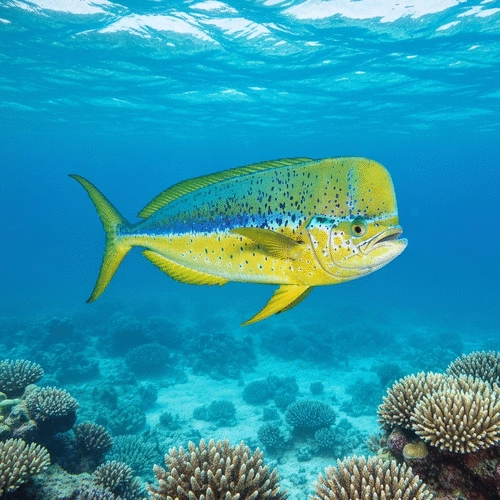
Mahi-mahi, or dolphin fish, are known for their incredible speed and stunning coloration. These fish can reach lengths of up to 1.8 meters and weigh around 39 kilograms. They inhabit warm ocean waters, primarily in tropical and subtropical regions. The Great Barrier Reef, with its clear waters and abundant food sources, serves as an ideal habitat for these incredible creatures.
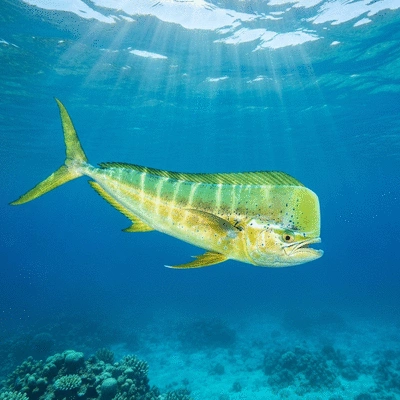
- Physical Traits: Mahi-mahi are characterized by their long, slender bodies and vibrant, iridescent colors.
- Habitat: These fish are typically found in the open ocean and near the surface, often around floating debris and underwater structures.
- Diet: They primarily feed on smaller fish and squid, making them essential predators in the marine food web.
Understanding the habitat of mahi-mahi not only informs us about their biological traits but also emphasizes the importance of preserving the Great Barrier Reef as a thriving ecosystem.
The Ecological Role of Mahi-Mahi in the Great Barrier Reef
Mahi-mahi play a crucial role as pelagic predators within the Great Barrier Reef. Their presence helps maintain the balance of various marine species, contributing to the overall health of this vibrant ecosystem. As they hunt smaller fish, they ensure that no single species dominates the reef, promoting biodiversity.
Beyond their role in the food web, mahi-mahi are also indicators of the reef's health. When their populations are strong, it often signifies a well-balanced and thriving ecosystem. Their absence can signal underlying issues that may need immediate attention. It's vital for us to recognize how interdependent marine life is! This interdependence highlights the significance of understanding dolphin fish and dolphins within their shared environment.
Impact of Climate Change on Dolphin Fish Populations
As we face the consequences of climate change, mahi-mahi populations are increasingly at risk. Rising sea temperatures and ocean acidification can disrupt their breeding patterns and food availability. This, in turn, affects not only mahi-mahi but also the entire marine community they support.
- Rising Sea Temperatures: Increased temperatures can lead to stress in fish populations, affecting their growth and reproduction.
- Ocean Acidification: Higher CO2 levels in the ocean can hinder the development of marine organisms that mahi-mahi depend on for food.
- Habitat Loss: Coral bleaching events, exacerbated by climate change, can further reduce the available habitat for these fish.
By understanding these impacts, we can advocate for effective conservation measures to protect mahi-mahi and the wider ecosystem, ensuring a resilient future for our oceans.
Identifying Overfishing as a Threat to Mahi-Mahi
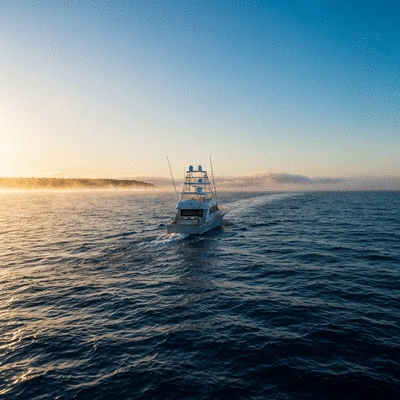
Overfishing remains one of the most significant threats to mahi-mahi populations globally. Unsustainable fishing practices can lead to drastic declines in their numbers, impacting not just the species but the entire marine food web. As the founder of the Marine Species Guide, I strive to raise awareness about these issues and promote responsible fishing practices.
- Unsustainable Practices: Many fishing methods result in excessive catches, depleting fish populations faster than they can replenish.
- Bycatch: The unintended capture of mahi-mahi and other marine species can severely affect their populations and ecosystems.
- Regulatory Gaps: Inconsistent regulations across different regions can lead to overfishing and insufficient protections for mahi-mahi.
Addressing overfishing requires collective action from anglers, fisheries, and consumers. By choosing sustainably sourced mahi-mahi, we can all contribute to the health of our oceans and support responsible fishing practices!
Understanding Bycatch: Implications for Dolphin Fish
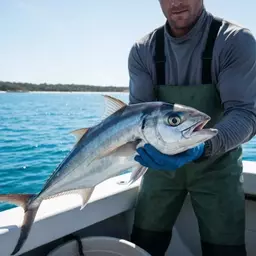
Bycatch, the unintentional capture of non-target species during fishing activities, poses a significant threat to mahi-mahi. This issue not only affects their populations but also disrupts the broader marine biodiversity, highlighting the need for more sustainable fishing methods.
- Impact on Populations: High bycatch rates can lead to significant declines in mahi-mahi numbers and other vulnerable species.
- Marine Biodiversity: Bycatch can alter the balance of marine ecosystems, leading to unforeseen consequences for various species.
- Awareness and Change: Educating fishers and consumers about bycatch can encourage better practices and support the survival of dolphin fish.
As we promote awareness around bycatch, we can advocate for solutions that allow for sustainable fishing while protecting vulnerable species like mahi-mahi.
Pollution and Water Quality: Threats to Reef Health
The health of our oceans is increasingly threatened by pollution and degradation of water quality. Mahi-mahi depend on clean, healthy waters for their survival, and pollution can have dire effects on their populations and habitats.
- Nutrient Runoff: Excess nutrients from agriculture can lead to algal blooms, choking out marine life and degrading water quality.
- Plastic Pollution: Marine debris can cause physical harm to mahi-mahi and impact their feeding habits.
- Toxic Chemicals: Pollutants can accumulate in the food chain, affecting not only mahi-mahi but also the humans who consume them.
Highlighting the impact of pollution on mahi-mahi populations emphasizes the need for stronger regulations and community action to protect our precious marine environments. This is crucial for protecting dolphin fish habitats together.
We Want to Hear From You!
What do you think about the challenges facing mahi-mahi populations? Share your thoughts below:
Frequently Asked Questions About Mahi-Mahi Conservation
What is the ecological role of mahi-mahi?
Mahi-mahi are vital pelagic predators in marine food webs, helping to maintain biodiversity by preying on smaller fish and squid. Their presence indicates a healthy, balanced ecosystem.
How does climate change affect mahi-mahi populations?
Rising sea temperatures and ocean acidification disrupt their breeding patterns, food availability, and overall health. Coral bleaching, exacerbated by climate change, also reduces their habitat.
What are the main threats to mahi-mahi from fishing?
Overfishing, due to unsustainable practices, depletes populations rapidly. Bycatch, the unintentional capture of non-target species, also severely impacts mahi-mahi numbers and marine biodiversity.
How does pollution impact mahi-mahi and their habitats?
Nutrient runoff causes harmful algal blooms, plastic pollution leads to physical harm and feeding issues, and toxic chemicals accumulate in the food chain, all degrading water quality and affecting mahi-mahi survival.
What can individuals do to help conserve mahi-mahi?
Individuals can choose sustainably sourced seafood, practice catch and release when fishing, engage in eco-friendly tourism, and educate themselves and others about sustainable practices. Supporting scientific research is also crucial.
Reflecting on the Future of Mahi-Mahi Populations
The Importance of Continued Research in Marine Biodiversity
As a marine biologist, I can't stress enough how vital ongoing scientific research is for the sustainability of mahi-mahi populations. Understanding their life cycles, breeding habits, and population dynamics is essential to informing our conservation efforts. Regular stock assessments and fisheries research can provide crucial data that guides responsible fishing practices.
Research helps us address the challenges facing mahi-mahi and ensures that we adapt our strategies to protect them effectively. By investing in studies that monitor their habitats, we can better understand how factors like climate change and pollution impact their survival.
- Support local universities and research institutions focused on marine biology.
- Participate in citizen science projects that track marine life.
- Stay informed about the latest findings in marine ecology and conservation.
When we collectively support scientific research, we contribute to a more sustainable future for mahi-mahi and the rich biodiversity of our oceans!
How Individuals Can Contribute to Sustainable Fishing Practices
Every one of us has a role to play in the conservation of mahi-mahi! Here are some actionable steps you can take to support sustainable fishing:
- Choose sustainably sourced seafood: Look for certifications that indicate responsible fishing practices.
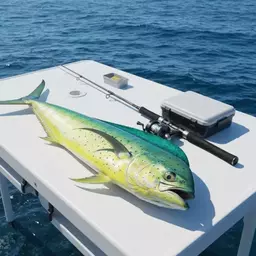
- Practice catch and release: If you're fishing, consider releasing mahi-mahi back into the water to help maintain healthy populations.
- Engage in eco-friendly tourism: Opt for fishing charters that prioritize sustainability and promote conservation efforts.
- Educate yourself and others: Share what you learn about mahi-mahi and sustainable practices with friends and family.
By embracing these practices, you not only enjoy delicious seafood but also play a part in the ongoing health of our marine ecosystems. Together, we can make a significant impact!
Joining the Movement to Protect Our Marine Ecosystems
Conserving mahi-mahi in the Great Barrier Reef is critical for maintaining the balance of marine life. The vitality of these fish contributes to the overall health of our oceans, and it’s essential that we act now to protect them. I encourage you to join the movement!
Engage with local conservation organizations, share knowledge, and become advocates for the health of our oceans and marine life. Your voice matters, and together we can ensure that mahi-mahi flourish for generations to come, promoting sustainable harvest practices for all.
Recap of Key Points
Here is a quick recap of the important points discussed in the article:
- Mahi-Mahi Characteristics: Dolphin fish are known for their vibrant colors, speed, and inhabit warm waters, particularly in the Great Barrier Reef.
- Ecological Role: As pelagic predators, mahi-mahi help maintain marine biodiversity and indicate the health of the reef ecosystem.
- Climate Change Threats: Rising sea temperatures and ocean acidification threaten mahi-mahi populations and the marine environment.
- Overfishing Concerns: Unsustainable fishing practices lead to population declines and threaten the marine food web.
- Bycatch Impact: Unintentional capture of mahi-mahi disrupts marine ecosystems and highlights the need for sustainable fishing methods.
- Pollution Effects: Nutrient runoff, plastic pollution, and toxic chemicals harm mahi-mahi and their habitats.
- Importance of Research: Ongoing scientific research is crucial for understanding mahi-mahi life cycles and informing conservation efforts.
- Individual Actions: Support sustainable fishing practices, educate others, and engage in eco-friendly tourism to protect marine life.