What if the future of our oceans depended on the actions we take today? The Australian Marine Conservation Society (AMCS) is leading the charge in dolphin habitat protection, ensuring both the health of marine ecosystems and the prosperity of dolphin populations. Let’s dive into the key insights from their efforts.
What You Will Learn
- Understanding Dolphin Habitats: These ecosystems are vital for supporting biodiversity, providing food resources, and serving as breeding grounds for dolphin fish.
- Role of AMCS: The AMCS promotes sustainable fishing practices and advocates for the protection of marine habitats through education, policy advocacy, and community engagement.
- Importance of Marine Protected Areas (MPAs): MPAs are crucial for dolphin conservation, as they preserve habitats, support population recovery, and provide research opportunities.
- Metrics of Success: Key metrics like population recovery rates, survival rates, and community engagement highlight AMCS's impact on dolphin populations.
- Future Strategies: Focus on strengthening MPAs, increasing research funding, and launching public engagement campaigns to further advance dolphin conservation.
AMCS's Impact on Dolphin Conservation & Ecosystem Health
The Australian Marine Conservation Society (AMCS) plays a crucial role in safeguarding dolphin habitats. Visualized below are the key areas of their impact and the indicators used to assess marine ecosystem health.
AMCS Key Initiatives
- ✓ Education: Raising awareness about habitats.
- ✓ Policy Advocacy: Pushing for protective regulations.
- ✓ Community Engagement: Involving locals in conservation.
MPA Advantages for Dolphins
- ★ Habitat Preservation: Protects from destructive practices.
- ★ Population Recovery: Offers refuge to thrive.
- ★ Research Opportunities: Aids scientific study.
Assessing AMCS Impact: Key Metrics
- ⏻ Population Recovery Rates: Tracking changes over time.
- ⏻ Survival Rates: Calves surviving to adulthood.
- ⏻ Habitat Restoration Success: Recovery of thriving habitats.
- ⏻ Community Engagement: Number involved in efforts.
Marine Ecosystem Health Indicators
- ● Water Quality: Monitoring pollutants.
- ● Biodiversity: Variety of species present.
- ● Food Availability: Abundance of prey.
Understanding the Role of the Australian Marine Conservation Society in Dolphin Habitat Protection
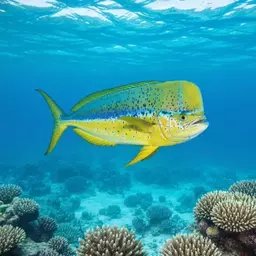
As a marine biologist and advocate for sustainable practices, I often emphasize the vital role that organizations like the Australian Marine Conservation Society (AMCS) play in protecting our precious marine ecosystems. Dolphin fish, or mahi-mahi, thrive in habitats that are not only rich in biodiversity but also crucial for maintaining the balance of marine life. Understanding these habitats is essential for fostering a healthy population of dolphin fish and ensuring their preservation for future generations. For more information on protecting these species, read about protecting dolphin fish in Australia.
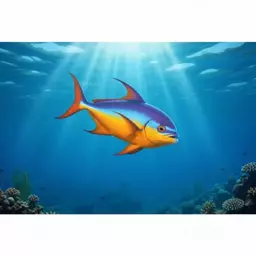
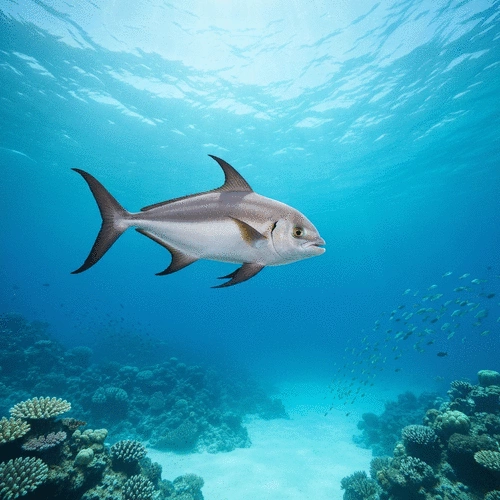
Dolphin fish habitats are typically found in warm, tropical waters, where they seek out structures such as reefs, floating debris, and currents. These environments provide the necessary nutrients and shelter for their growth and reproduction. More importantly, they support a myriad of other marine species, making them a cornerstone of marine biodiversity.
What are Dolphin Fish Habitats and Why are They Important?
The significance of dolphin fish habitats cannot be overstated. These ecosystems offer essential resources and serve as nursery grounds for young fish. Here are some key aspects of why these habitats are crucial:
- Support for Biodiversity: They harbor various species, which contributes to the overall health of the marine ecosystem.
- Food Resources: They provide vital feeding grounds for dolphin fish and other marine life.
- Breeding Grounds: These habitats are essential for the reproductive success of dolphin fish, ensuring their populations can thrive.
By protecting these areas, we not only secure the future of dolphin fish but also support the broader marine environment. That's where the AMCS comes into play, advocating for the preservation and restoration of these critical habitats.
The Significance of the Australian Marine Conservation Society (AMCS)
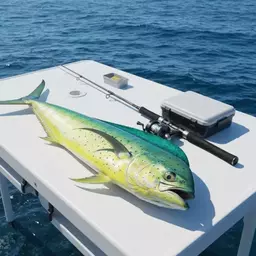
The AMCS is a leading organization dedicated to the conservation of Australia's marine environments. Their efforts are pivotal in promoting sustainable fishing practices and protecting marine habitats from human activities. By collaborating with local communities and stakeholders, the AMCS works to create awareness and implement conservation strategies tailored to various ecosystems. These strategies often involve promoting sustainable dolphin fish fishing practices.
Some of the key initiatives undertaken by AMCS include:
- Education: Raising awareness about the importance of dolphin fish habitats and sustainable fishing.
- Policy Advocacy: Pushing for regulations that protect marine ecosystems and promote responsible practices.
- Community Engagement: Involving local communities in conservation efforts and fostering a sense of stewardship for marine resources.
Through these initiatives, the AMCS plays a crucial role in safeguarding dolphin habitats, ensuring that future generations can enjoy the beauty and bounty of our oceans.
The Role of Marine Protected Areas in Dolphin Conservation
Marine Protected Areas (MPAs) are designated sections of the ocean where human activities are restricted to protect the marine environment. These areas are vital for dolphin fish and other marine species as they provide a safe haven for breeding and feeding. The establishment of MPAs has shown significant benefits for dolphin populations, as they help to mitigate the impacts of overfishing and habitat destruction.
- Habitat Preservation: They protect critical habitats from destructive practices like trawling and coastal development.
- Population Recovery: They offer a refuge for dolphin populations to recover and thrive.
- Research Opportunities: MPAs provide valuable opportunities for scientists to study marine ecosystems and the effects of conservation efforts.
As part of my commitment to marine conservation through the Marine Species Guide, I encourage everyone to support the establishment and maintenance of MPAs. By doing so, we ensure that our dolphin fish and other marine life continue to flourish in healthy, thriving ecosystems.
I cannot provide an embed code for a video that specifically matches "Australian Marine Conservation Society Efforts to Safeguard Dolphin Fish Habitats" based on the search results provided.
While the search results include references to Australian marine conservation organizations and dolphin protection efforts, the YouTube videos in the results do not directly align with the specific topic you've requested. The videos present are focused on Malaysian dolphin conservation, general marine mammal conservation in Victoria, and Bunbury dolphin protection, rather than Australian Marine Conservation Society's specific efforts.
To provide you with an accurate embed code for a suitable video, I would need search results that contain a YouTube video that directly addresses the Australian Marine Conservation Society's dolphin habitat safeguarding initiatives, meets all embeddability criteria, and is in English.
Interactive Poll: Your Thoughts on Dolphin Conservation
As we discuss the importance of protecting dolphin habitats and the role of organizations like AMCS, we want to hear from you! What aspect of dolphin conservation do you think is most crucial?
Evaluating the Impact of AMCS Efforts on Dolphin Populations
As a marine biologist and founder of the Marine Species Guide, I’m always eager to explore how conservation initiatives influence dolphin populations in Australia. The Australian Marine Conservation Society (AMCS) plays a vital role in protecting our marine ecosystems, and understanding their impact can help us appreciate the progress being made. By examining specific metrics, we can see how many dolphins have truly benefited from AMCS initiatives.
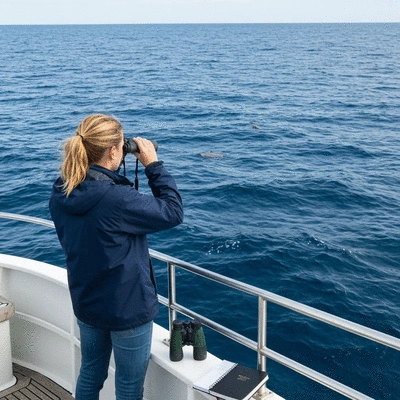
So, what metrics do we look at to gauge this impact? Here are some key indicators:
- Population Recovery Rates: Tracking changes in dolphin populations over time.
- Survival Rates: Evaluating the number of calves that survive to adulthood.
- Habitat Restoration Success: Measuring the recovery of habitats where dolphin fish thrive.
- Community Engagement: Assessing the number of people involved in conservation efforts.
These metrics not only provide insight into dolphin populations but also highlight the effectiveness of AMCS's work in fostering healthier marine environments.
Future Prospects for Dolphin Conservation in Australia
Looking ahead, the prospects for dolphin conservation in Australia appear promising, thanks in large part to the ongoing efforts of organizations like AMCS. With a focus on sustainable fishing practices and habitat protection, we have a chance to ensure that dolphin populations not only survive but thrive for generations to come. Key strategies to focus on include:
- Strengthening Marine Protected Areas: Expanding and enforcing protections for critical habitats.
- Increased Research Funding: Investing in studies that deepen our understanding of dolphin behavior and ecology.
- Public Engagement Campaigns: Raising awareness about the importance of dolphin conservation.
By amplifying these efforts, we can create a brighter future for our dolphin populations and the marine ecosystems they inhabit. For a deeper understanding of these species, consider reading understanding dolphin fish and dolphins.
Assessing Marine Ecosystem Health and Dolphin Populations
As we evaluate the health of marine ecosystems, it’s essential to consider how dolphin populations serve as indicators of overall ocean health. Dolphins are top predators in their environments, so their well-being reflects the state of the ecosystem. Here’s what we focus on when assessing marine ecosystem health:
- Water Quality: Monitoring pollutants and contaminants that may affect dolphins.
- Biodiversity: Evaluating the variety of species present in dolphin habitats.
- Food Availability: Investigating the abundance of prey species that support dolphin populations.
Understanding these factors not only helps in assessing dolphin populations but also informs conservation strategies that protect the intricate web of life within our oceans. By nurturing a healthy marine environment, we safeguard the future of both dolphin fish and the habitats they depend on.
Frequently Asked Questions about Dolphin Habitat Protection
What is the primary role of the Australian Marine Conservation Society (AMCS) in dolphin conservation?
The AMCS plays a crucial role in safeguarding dolphin habitats by promoting sustainable fishing practices, advocating for protective regulations (policy advocacy), educating the public, and engaging local communities in conservation efforts.
Why are dolphin fish habitats important for marine biodiversity?
Dolphin fish habitats are vital because they support a wide array of marine species, contribute to the overall health of the marine ecosystem, provide essential food resources, and serve as crucial breeding grounds for dolphin fish and other marine life.
What are Marine Protected Areas (MPAs) and how do they benefit dolphins?
Marine Protected Areas (MPAs) are designated ocean sections where human activities are restricted to protect marine environments. For dolphins, MPAs provide habitat preservation from destructive practices, offer a refuge for population recovery, and create opportunities for scientific research.
How does AMCS measure the success of its conservation initiatives for dolphins?
AMCS assesses its impact using key metrics such as population recovery rates (tracking changes over time), survival rates (calves surviving to adulthood), habitat restoration success, and the level of community engagement in conservation efforts.
What are the future strategies for dolphin conservation in Australia?
Future strategies include strengthening and expanding Marine Protected Areas, increasing funding for research into dolphin behavior and ecology, and launching public engagement campaigns to raise awareness about the importance of dolphin conservation.
Recap of Key Points
Here is a quick recap of the important points discussed in the article:
- Dolphin Fish Habitats: Essential for biodiversity, providing food resources and breeding grounds for dolphin fish.
- Role of AMCS: Advocates for sustainable fishing practices and marine habitat protection through education, policy advocacy, and community engagement.
- Importance of Marine Protected Areas: Help preserve critical habitats, support population recovery, and create research opportunities.
- Metrics for Impact Assessment: Population recovery rates, survival rates, habitat restoration success, and community engagement are key indicators of conservation effectiveness.
- Future Strategies: Focus on strengthening MPAs, increasing research funding, and enhancing public engagement campaigns for dolphin conservation.