Fishing for dorado is more than just a sport—it's a gateway to understanding marine ecosystems and the importance of sustainability. So, how can you ensure that your fishing practices contribute to preserving these beautiful species? Let's dive into the key takeaways to elevate your dorado fishing experience.
What You Will Learn
- Dorado fishing in Australia is unique due to its vibrant colors and the exciting fight they offer when caught.
- Understanding local fishing regulations, including size and bag limits, is crucial for legal and sustainable fishing practices.
- Employing catch-and-release techniques helps maintain healthy dorado populations while allowing anglers to enjoy the thrill of fishing.
- Choosing the right gear, such as a suitable rod and circle hooks, enhances your chances of a successful and humane catch.
- Engaging with local fishing communities and participating in workshops can significantly improve your skills and knowledge about sustainable fishing.
Key Regulations & Sustainable Fishing Practices
To ensure healthy dorado populations, local fishing regulations and sustainable practices are essential. The visual below highlights the core elements of responsible fishing. For more detailed information on responsible angling, explore sustainable dolphin fish fishing practices.
Local Regulations & Licensing
Adherence to specific size and bag limits, and obtaining the appropriate fishing license, are non-negotiable for legal and responsible angling.
- ✓ Check local limits
- ✓ Obtain State License
- ✓ Respect restricted areas
Sustainable Catch & Release
Minimizing harm and ensuring the survival of released fish are crucial for maintaining healthy dorado populations.
- ✓ Use circle hooks
- ✓ Minimize out-of-water time
- ✓ Handle gently, wet hands
Understanding Dorado Fishing in Australia: A Beginner's Overview
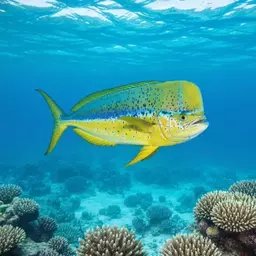
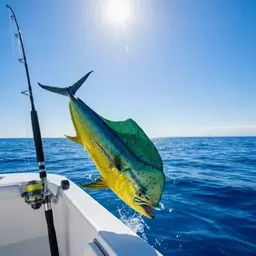
Have you ever thought about the thrill of catching a dorado? Also known as mahi-mahi or dolphin fish, this vibrant fish is not just a treat for the palate, but it also offers an exhilarating challenge for anglers in Australia. What makes dorado fishing unique here? Well, it’s all about the stunning locations, diverse marine life, and the importance of practicing sustainability while enjoying this delightful pursuit!
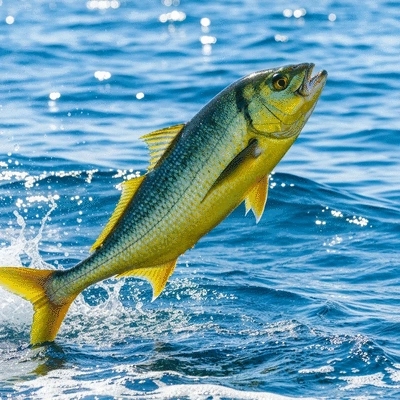
When fishing for dorado, you'll notice their incredibly vibrant colors and acrobatic leaps as they fight for freedom. This remarkable fish can be caught in the warm coastal waters of Australia, making it a popular choice among both novice and seasoned anglers. But as we embark on this fishing journey together, let’s explore what unique factors you should consider when targeting this magnificent species.
What Makes Dorado (Mahi-Mahi) Fishing Unique in Australia?
Fishing for dorado in Australia is intricately tied to our beautiful coastal ecosystems. The diverse habitats, from the coral reefs of the Great Barrier Reef to the warm waters of Queensland, provide an ideal environment for these lively fish. But there’s more to it than just the scenery! Here are some key factors that make dorado fishing truly special:
- The vibrant colors and unique patterns of dorado make them a favorite among anglers and photographers alike.
- The fight they put up offers a thrilling experience that’s both challenging and rewarding.
- These fish are often schooled, making it possible to catch multiple dorado in one outing!
As someone deeply passionate about marine conservation, I believe it’s essential to appreciate not just the thrill of the catch, but also the beautiful environments we’re part of while fishing. Understanding these aspects enhances our respect for marine ecosystems and encourages responsible fishing practices. For more insights, learn about understanding dolphin fish and dolphins.
Key Regulations and Ethical Considerations for Responsible Fishing
Before you grab your gear and head out, it's crucial to familiarize yourself with local fishing regulations. This not only ensures that you’re fishing legally but also supports the conservation of our precious marine resources. In Australia, we have established guidelines to help protect dorado populations and their habitats. Here's a quick overview:
- Check local fishing regulations for specific size and bag limits on dorado.
- Ensure you have the appropriate fishing license, as required by your state.
- Be mindful of restricted areas, especially during breeding seasons.
By adhering to these regulations, you actively contribute to the sustainability of our marine ecosystems. Responsible fishing practices help ensure that future generations can also enjoy the thrill of catching dorado.
Understanding Local Fishing Regulations: Licensing and Conservation
In Australia, fishing regulations vary by state and territory, so it's essential to do your research. Each region has its own set of rules regarding licensing, catch limits, and conservation measures. Make sure to obtain the necessary fishing licenses before you head out. These licenses are not just bureaucratic hurdles; they are a vital part of maintaining healthy fish populations.
By keeping informed about local regulations, you can also engage in conservation efforts. Organizations often conduct research to monitor fish populations, and you’ll find that your support can help maintain the delicate balance of our marine ecosystems.
Practicing Sustainable Fishing: Catch and Release Techniques
Practicing sustainable fishing is a key element in ensuring that our oceans remain healthy and vibrant. One effective method is the catch-and-release technique, which involves safely returning the fish to the water after capturing it. This practice allows dorado populations to thrive while still giving you the joy of fishing!
Here are some tips for successful catch-and-release:
- Use circle hooks, as they tend to hook fish in the corner of the mouth, reducing injury.
- Minimize the time the fish is out of water; keep it in the water as much as possible while removing the hook.
- Handle the fish gently and wet your hands before touching it to protect its slime layer.
By adopting these sustainable practices, you not only contribute to the health of dorado populations but also ensure that future generations can enjoy this extraordinary sport.
Pro Tip
Did you know? When targeting dorado, the time of day can significantly impact your success. Early mornings and late afternoons are often the best times to catch these fish as they tend to be more active. Additionally, look for floating debris or sargassum, as dorado are known to gather around these structures!
Wrapping Up Your Dorado Fishing Journey: Key Takeaways
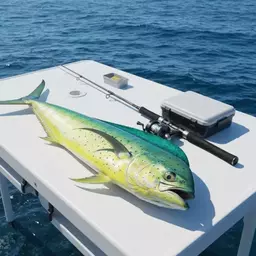
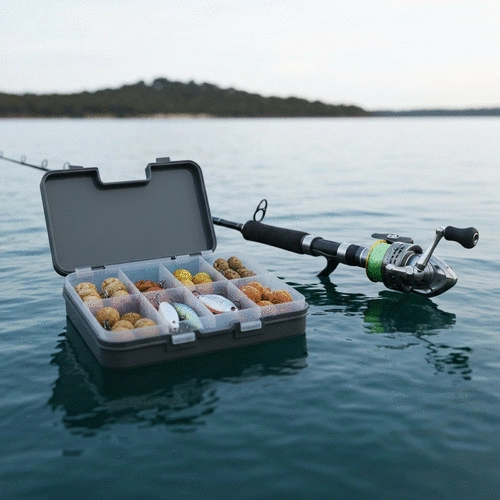
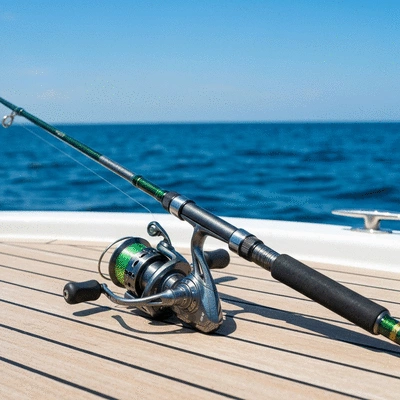
As we conclude our deep dive into dorado fishing, it's essential to recap some of the key points that can help enhance your experience on the water. Whether you're a novice or a seasoned angler, having the right gear and bait is vital. Remember, the right rod, reel, and bait can make all the difference in your fishing success.
- Choose a rod that can handle the size and strength of mahi-mahi.
- Select a reel that suits your fishing style, whether spinning or conventional.
- Use circle hooks for a humane catch-and-release approach.
- Opt for monofilament line for ease of use or braided line for strength.
By keeping these essentials in mind, you’ll not only maximize your chances of a successful catch but also foster a deeper appreciation for our marine ecosystems. Responsible fishing should always be at the forefront of your journey, ensuring that future generations can enjoy these beautiful fish.
Encouragement for Sustainable Practices and Ongoing Learning
Fishing is about so much more than just the catch; it’s about connecting with nature and understanding our impact on the environment. I encourage you to embrace sustainable fishing practices that honor our oceans. This means following local regulations, using appropriate gear, and engaging in catch and release when necessary. The more we respect our marine life, the better our fishing experiences will be!
Moreover, ongoing learning is crucial. The marine ecosystem is dynamic, and staying informed about best practices and environmental changes is vital for any angler. Participate in local workshops or online courses that focus on sustainable fishing methods, and don’t hesitate to reach out to fellow anglers. Sharing knowledge strengthens our community and supports marine conservation efforts.
Next Steps for Aspiring Dorado Anglers
Resources for Further Learning: Books, Courses, and Local Guides
Ready to take your dorado fishing skills to the next level? There are plenty of resources available to help you learn more about this exciting fish and the art of fishing itself. Consider checking out some of my favorite books and online courses that cover topics from basic fishing techniques to advanced conservation practices. You can also explore sustainable dolphin fish fishing guidelines for more in-depth knowledge.
- Books on marine biology and sustainable fishing.
- Online courses focusing on fishing skills and conservation.
- Local fishing guides who can offer personalized insights.
Investing time in these resources will not only enhance your skills but also deepen your connection with the marine environment!
Join the Community: Connecting with Other Dorado Fishers in Australia
Building connections with fellow dorado fishers can greatly enrich your fishing journey! Engage with local fishing clubs or online forums where you can share experiences, tips, and even recipes. These interactions can open up opportunities for mentorship and friendship.
Participating in Fishing Workshops and Forums for Skill Development
Participating in workshops and forums is a fantastic way to develop your skills further. Here are some ways to get involved:
- Attend local fishing workshops to learn from experts.
- Join online forums to share your fishing stories and get advice.
- Participate in conservation events that also focus on fishing techniques.
Don’t be shy about asking questions—every seasoned angler was a beginner once! Together, we can promote responsible fishing and marine conservation, ensuring the continued health of our oceans.
Recap of Key Points
Here is a quick recap of the important points discussed in the article:
- Dorado fishing in Australia offers vibrant colors, thrilling fights, and the possibility of catching multiple fish in one outing.
- Familiarize yourself with local fishing regulations, including size and bag limits, to support conservation efforts.
- Practice sustainable fishing using catch-and-release techniques, such as using circle hooks and minimizing air exposure.
- Invest in the right gear, including a suitable rod and reel to enhance your fishing experience.
- Engage with local fishing communities and resources for continuous learning and sharing best practices.
Frequently Asked Questions About Dorado Fishing
What is dorado also known as?
Dorado is also widely known as mahi-mahi or dolphin fish.
Why is dorado fishing unique in Australia?
Dorado fishing in Australia is unique due to the stunning coastal ecosystems, diverse marine life, the vibrant colors and acrobatic fights of the fish, and the thrill of potentially catching multiple fish as they are often schooled.
What are the key regulations to follow for dorado fishing in Australia?
It is crucial to check local fishing regulations for specific size and bag limits, obtain the appropriate fishing license for your state or territory, and be mindful of restricted fishing areas, especially during breeding seasons.
What are some sustainable catch-and-release techniques for dorado?
Sustainable catch-and-release techniques include using circle hooks to reduce injury, minimizing the time the fish is out of water, and handling the fish gently with wet hands to protect its slime layer.
What gear is recommended for dorado fishing?
Recommended gear includes a rod suitable for the size and strength of mahi-mahi, a reel that matches your fishing style (spinning or conventional), circle hooks for humane catch and release, and either monofilament or braided line depending on preference for ease of use or strength.