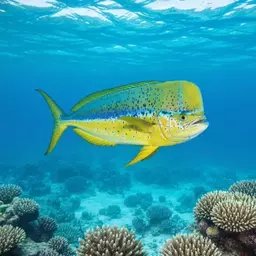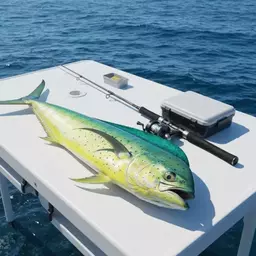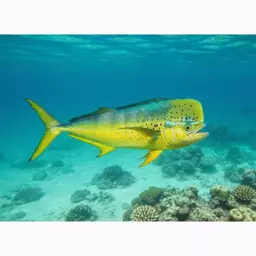
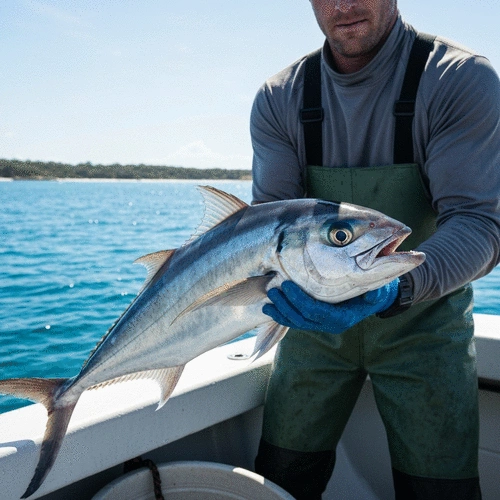
How often do we consider the impact of our fishing practices on the very ecosystems that sustain us? The health of our oceans is intricately tied to the way we fish, especially when it comes to species as charismatic as the dolphin fish. Understanding the regulations and best practices surrounding sustainable fishing is essential for anyone who loves our marine environments.
What You Will Learn
- The ecological and ethical implications of dolphin interactions in fishing practices.
- Key AFMA regulations aimed at minimizing harmful dolphin interactions.
- Best practices for fishers to adopt to protect dolphins and promote sustainability.
- Innovative gear and techniques that reduce bycatch and improve fishing practices.
- Case studies showcasing successful implementation of sustainable fishing practices.
- The importance of compliance and obtaining proper fishing licenses for responsible fishing.
AFMA Regulations for Dolphin Interactions: A Comparison Across Fishing Sectors
The Australian Fisheries Management Authority (AFMA) implements specific regulations to minimize dolphin interactions, tailored to different fishing sectors. This comparison highlights key measures and their impact. For a deeper dive into responsible fishing, explore sustainable dolphin fish fishing practices.
Overview of AFMA's Framework
- ✓Mandatory Reporting: Fishers must report any dolphin interactions.
- ✓Penalty Framework: Non-compliance can lead to fines or license loss.
- ✓Training Requirements: Encourages training on mitigation strategies.
Small Pelagic Fishery (SPF)
Key Regulations: Strict limits on bycatch and continuous monitoring.
Impact on Dolphins: Significantly reduces dolphin entanglement risks.
Gillnet Sector
Key Regulations: Gear modifications and bycatch reduction plans.
Impact on Dolphins: Helps minimize dolphin captures and injuries.
Sustainable Dolphin Fish Fishing: Understanding AFMA's Regulations
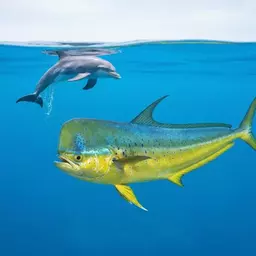
As a passionate advocate for sustainable fishing practices, I often emphasize the critical intersection between our fishing activities and marine conservation. The dolphin fish, known as mahi-mahi or dorado, is not only a popular catch but also a species that interacts with dolphins in our Australian waters. Understanding the ecological and ethical implications of dolphin interactions in fishing is essential for anyone who wants to enjoy this fish responsibly.
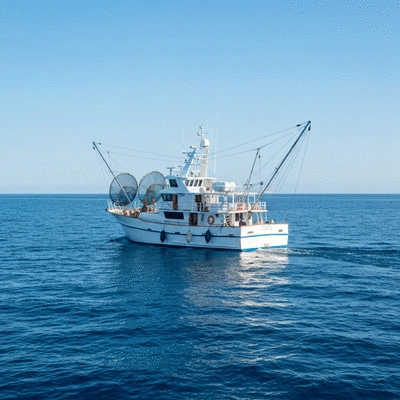
Dolphins are intelligent creatures that play a vital role in our marine ecosystems. When fishing, it’s common for these animals to approach boats, which can lead to unintentional catches or injuries. The ethical implications of these interactions cannot be ignored. We, as fishers, have a responsibility to ensure that our practices protect these remarkable marine mammals and their habitats.
The Importance of Dolphin Mitigation in Australian Fisheries
Mitigating dolphin interactions is key to fostering a healthy marine ecosystem. The Australian Fisheries Management Authority (AFMA) has implemented regulations specifically designed to minimize harmful interactions. These measures not only aim to protect dolphins but also ensure the sustainability of fish populations we depend on. For more information on differentiating between these species, see our guide on Mahi-Mahi vs. Dolphins: Taxonomy Insights.
- Protecting Marine Biodiversity: Limiting dolphin interactions safeguards marine biodiversity, which is essential for ecological balance.
- Ethical Fishing Practices: By adopting responsible fishing methods, we can uphold ethical standards within our fishing community.
- Future Proofing Fisheries: Sustainable practices are necessary to ensure that dolphin fish populations remain viable for future generations.
As we engage in fishing, it’s crucial to reflect on how our actions impact the delicate balance of marine life. Embracing dolphin mitigation strategies not only benefits these beautiful creatures but also enriches our fishing experience.
Overview of AFMA Regulations for Dolphin Interactions
The AFMA has set forth a framework of regulations aimed at managing dolphin interactions effectively. These rules are designed to help fishers navigate their responsibilities while promoting sustainable practices. Understanding these regulations is essential for compliance and to avoid potential penalties.
Key Regulations Impacting Fishers
Among the primary AFMA regulations, the following are particularly impactful for fishers:
- Mandatory Reporting: Fishers must report any dolphin interactions to AFMA, ensuring transparency and accountability.
- Penalty Framework: Non-compliance can result in significant fines or loss of fishing licenses, reinforcing the importance of adherence.
- Training Requirements: Fishers are encouraged to undergo training on dolphin mitigation strategies, which can enhance their fishing practices.
By staying informed about these regulations, we can contribute to a more sustainable fishing industry that respects both our resources and the marine life we share our waters with.
Specific Rules for Different Fishing Sectors
Different fishing sectors, such as the Small Pelagic Fishery (SPF) and Gillnet sectors, have specific regulations tailored to their unique practices. Here’s a quick comparison:
| Fishing Sector | Key Regulations | Impact on Dolphins |
|---|---|---|
| Small Pelagic Fishery (SPF) | Strict limits on bycatch and monitoring | Reduces dolphin entanglement risks |
| Gillnet Sector | Gear modifications and bycatch reduction plans | Helps minimize dolphin captures |
Both sectors must prioritize dolphin protection while maintaining their fishing activities. Understanding these specific rules enables fishers to adapt their practices and contribute to marine conservation effectively.
Understanding Fishing Licenses and Compliance
Lastly, the importance of fishing licenses cannot be overstated. The AFMA requires that all fishers obtain the necessary licenses to operate legally. These licenses ensure that fishers are educated on sustainable practices and compliance requirements. To learn more about how fishing licenses contribute to protecting dolphin fish in Australia, refer to our detailed article.
Compliance is crucial not only for protecting marine life but also for securing the future of our fishing communities. By adhering to AFMA regulations, we can improve our fishing practices and contribute to the conservation of dolphin fish and their ecosystems.
Pro Tip
To further enhance your sustainable fishing practices, consider joining local conservation groups that focus on dolphin protection. Engaging with these communities not only broadens your knowledge on dolphin interactions but also strengthens the collective effort to promote ethical fishing methods. Remember, every small action contributes to a larger impact!
Frequently Asked Questions (FAQs)
What are the main goals of AFMA regulations regarding dolphin interactions?
The main goals of AFMA regulations are to minimize harmful interactions between fishing activities and dolphins, protect marine biodiversity, ensure ethical fishing practices, and promote the sustainability of fish populations for future generations.
What are the key regulations fishers must follow?
Key regulations include mandatory reporting of all dolphin interactions to AFMA, adherence to a penalty framework for non-compliance (which can involve fines or license loss), and participation in training requirements on dolphin mitigation strategies.
How do regulations differ for various fishing sectors?
Regulations are tailored to specific fishing sectors. For example, the Small Pelagic Fishery (SPF) has strict limits on bycatch and continuous monitoring to reduce dolphin entanglement. The Gillnet Sector implements gear modifications and bycatch reduction plans to minimize dolphin captures and injuries.
What are some best practices for minimizing dolphin interactions?
Best practices include using bycatch reduction devices (BRDs), employing fishing techniques that minimize noise and disturbance in dolphin habitats, being aware of dolphin activity and adjusting fishing times/locations, and participating in training sessions on responsible fishing.
Why are fishing licenses and compliance important?
Fishing licenses are crucial for legal operation and ensure fishers are educated on sustainable practices. Compliance with AFMA regulations protects marine life, secures the future of fishing communities, and contributes to the conservation of dolphin fish and their ecosystems.
Best Practices for Minimizing Dolphin Interactions
As passionate advocates for marine conservation, we believe that minimizing dolphin interactions is crucial for maintaining healthy marine ecosystems. By adopting effective dolphin mitigation strategies, fishers can significantly reduce the risk of unintended dolphin entanglements and promote sustainable fishing practices.
So, what can we do to protect these magnificent creatures while still enjoying our time on the water? Here are some best practices that every fisher can implement:
- Use bycatch reduction devices (BRDs) designed to allow dolphins to escape from fishing gear.
- Employ fishing techniques that minimize noise and disturbance in dolphin habitats.
- Be aware of dolphin activity in the area and adjust your fishing times or locations accordingly.
- Participate in training sessions that focus on responsible fishing practices and dolphin conservation.

Implementing these strategies not only protects dolphins but also enhances the sustainability of the dolphin fish population. When we consciously work to reduce dolphin interactions, we’re contributing to a healthier marine environment that benefits everyone involved in the fishing community.
Bycatch Reduction Techniques and Gear Innovations
As technology continues to advance, so do the methods we can use to minimize bycatch and dolphin interactions. Innovative gear and techniques are pivotal in achieving our conservation goals. Here are some exciting advancements that can help:
- Acoustic deterrents: Devices that emit sounds to keep dolphins away from fishing gear.
- Circle hooks: A design that reduces the likelihood of deep hooking in bycatch species.
- Specialized nets: Equipment engineered to allow non-target species to escape.
By integrating these tools and techniques into our fishing practices, we can significantly lessen our impact on dolphins and ensure that our fishing activities align with sustainable standards. It's not just about catching fish; it’s about protecting the marine environment we all love.
Case Studies: Successful Implementation of AFMA Guidelines
Many Australian fishers and organizations have successfully adopted AFMA's dolphin mitigation strategies, proving that sustainable practices can coexist with fishing operations. For instance, the Queensland Commercial Fishermen’s Organization has implemented innovative training programs that educate fishers about dolphin interactions. This has led to a notable decrease in unintentional dolphin bycatch.
Another example is the Western Australian Fishing Industry Council, which has embraced gear modifications that reduce the risk of dolphins getting entangled. Their commitment to AFMA guidelines showcases how collaborative efforts can lead to positive changes in fishing practices.
These case studies serve as inspiration and demonstrate the tangible benefits of implementing sustainable practices. When we share our successes, we empower others to join in and make a difference!
Eco-Friendly Fishing Practices in the Dolphin Fish Sector
In the dolphin fish sector, sustainable fishing practices play a vital role in preserving marine biodiversity. By focusing on eco-friendly methods, we can help maintain healthy populations of dolphin fish while ensuring the safety of dolphins. Here are some practices to consider:
- Utilizing selective fishing methods: Techniques that target specific species and reduce the capture of non-target species.
- Engaging in responsible seafood sourcing: Supporting fisheries that prioritize sustainability and dolphin protection.
- Participating in community conservation initiatives: Collaborating with local organizations to enhance awareness and education.
By adopting these eco-friendly practices, we not only safeguard the dolphin fish population but also foster a fishing community that values conservation. Together, we can make a lasting impact on our oceans and marine life.
Recap of Key Points
Here is a quick recap of the important points discussed in the article:
- Understanding the ecological and ethical implications of dolphin interactions in fishing is crucial for sustainable practices.
- AFMA regulations aim to minimize harmful interactions with dolphins and support sustainable fishing practices.
- Fishers must comply with mandatory reporting, undergo training, and adhere to specific sector regulations to protect dolphin populations.
- Implementing best practices, such as using bycatch reduction devices and being aware of dolphin activity, is vital for reducing dolphin interactions.
- Innovative fishing gear and practices are essential for minimizing bycatch and ensuring the conservation of marine biodiversity.