Have you ever found yourself puzzled by the terms dolphin fish and dolphins, wondering what sets them apart? You're not alone! Understanding these distinctions can enhance your appreciation for marine life and promote sustainable practices in your culinary adventures.
What You Will Learn
- Mahi-mahi, or dolphin fish, is a ray-finned fish known for its vibrant coloration and culinary versatility.
- Dolphins are warm-blooded mammals belonging to the order Cetacea, showcasing complex social structures and communication skills.
- Mahi-mahi thrive in tropical and subtropical waters, while dolphins inhabit both coastal and deep-sea environments.
- Understanding the taxonomy of these species highlights their unique adaptations to marine life and ecological roles.
Mahi-Mahi vs. Dolphins: A Classification Comparison
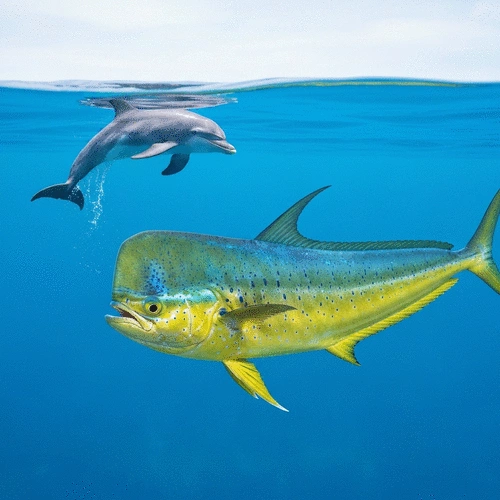
A visual breakdown of the key biological and physical differences between dolphin fish (Mahi-Mahi) and marine mammals (Dolphins).
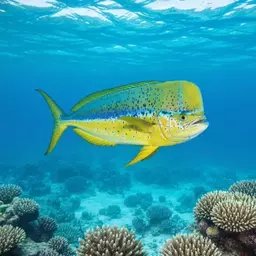
Mahi-Mahi (Dolphin Fish)
- Kingdom: Animalia
- Phylum: Chordata
- Class: Actinopterygii (Ray-finned Fish)
- Order: Perciformes
- Family: Coryphaenidae
- Species: Coryphaena hippurus
Dolphins (Marine Mammals)
- Kingdom: Animalia
- Phylum: Chordata
- Class: Mammalia
- Order: Cetacea
- Family: Delphinidae (for many species)
- Species: (Various species)
Key Physical Traits
- ● Mahi-Mahi: Gills for breathing, cold-blooded, vibrant colors, unique body shape.
- ● Dolphins: Lungs for air breathing, warm-blooded, streamlined body, blowholes.
Ecological Role & Habits
- ● Mahi-Mahi: Found in tropical/subtropical waters, important food source, target for anglers.
- ● Dolphins: Complex social structures, communication skills, found in various marine environments.
Dolphin Fish vs Dolphins: Understanding the Naming Confusion
Have you ever been confused about the difference between dolphin fish and the dolphins we see swimming in the ocean? You're not alone! The term mahi-mahi, which refers to the dolphin fish, often leads to misunderstandings, especially in culinary circles. Mahi-mahi has become a popular choice on menus, not just for its vibrant colors but also for its delicious flavor and versatility in cooking! For more insights into these fascinating creatures, you can refer to our article on understanding dolphin fish and dolphins.
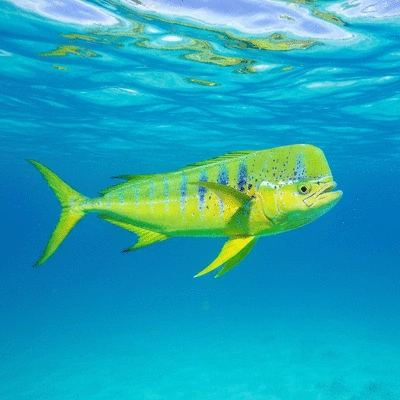
In culinary contexts, mahi-mahi signifies a sought-after fish known for its firm texture and mild taste. It's a go-to option in many seafood dishes, particularly in coastal regions where fresh ingredients shine. When you order mahi-mahi at a restaurant, you're not just getting a meal; you're diving into a world of flavors that connect back to the ocean.
Clarifying the Terms: What is Mahi-Mahi?
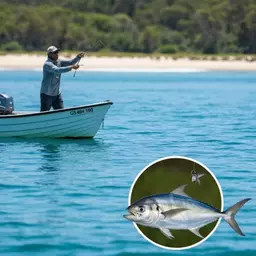
The name mahi-mahi comes from the Hawaiian term meaning "very strong," and it perfectly captures the spirited nature of this fish! It’s often caught in tropical and subtropical waters, making it a common target for recreational anglers. As a passionate advocate for sustainable fishing, I encourage everyone to appreciate the beauty of mahi-mahi, both in the water and on the plate.
- Species Name: Coryphaena hippurus
- Common Names: Dolphin fish, dorado
- Culinary Uses: Grilled, baked, or in tacos
Understanding the culinary significance of mahi-mahi is essential, not just for chefs but for home cooks too! Knowing how to prepare this fish and the best cooking methods can elevate your dining experience while promoting sustainable fishing practices for dolphin fish.
The Taxonomy of Mahi-Mahi and Dolphins
Now, let’s delve into the biological classification of mahi-mahi. Unlike dolphins, which are mammals, mahi-mahi is classified as a ray-finned fish, specifically under the family Coryphaenidae. This distinction is vital in understanding their differences! Mahi-mahi thrives in warmer waters and exhibits unique characteristics that separate it from its mammalian namesake.
Dolphins, on the other hand, belong to the order Cetacea, making them warm-blooded mammals that breathe air. This taxonomy not only highlights the differences between these two species but also emphasizes their diverse adaptations to aquatic life. Both creatures play significant roles in marine ecosystems, yet their biological classifications lead to very different lifestyles.
Scientific Classification of Mahi-Mahi and Dolphins
Breaking Down Taxonomic Categories
Let’s break it down further! The scientific classifications for mahi-mahi and dolphins can be quite fascinating:
- Mahi-Mahi:
- Kingdom: Animalia
- Phylum: Chordata
- Class: Actinopterygii
- Order: Perciformes
- Family: Coryphaenidae
- Species: Coryphaena hippurus
- Dolphins:
- Kingdom: Animalia
- Phylum: Chordata
- Class: Mammalia
- Order: Cetacea
- Family: Delphinidae (for many dolphin species)
Understanding these classifications not only enriches our knowledge of marine biology but also helps us appreciate the complexity of life in our oceans. Knowing where mahi-mahi fits in the grand scheme can inspire us to protect these species and their habitats!
Key Differences in Biological Classification
When comparing mahi-mahi and dolphins, one must highlight the core differences between Actinopterygii and Mammalia. Mahi-mahi, as a ray-finned fish, possesses gills for breathing underwater, while dolphins, being mammals, breathe air through lungs. This fundamental distinction is crucial to understanding their respective lifestyles and adaptations in the marine world.
Moreover, mahi-mahi are cold-blooded and rely on their environment to regulate body temperature, whereas dolphins maintain a constant body temperature, thanks to their warm-blooded nature. These differences profoundly affect their behaviors, habitats, and ecological roles, making them unique inhabitants of the ocean.
Pro Tip
When preparing mahi-mahi, consider marinating it for at least 30 minutes to enhance its natural flavors. A simple marinade of olive oil, lime juice, garlic, and a touch of chili can elevate your dish, making it a delicious centerpiece for any meal!
Frequently Asked Questions (FAQs)
Summarizing the Key Differences Between Mahi-Mahi and Dolphins
As we journey through the fascinating world of marine life, it's essential to recap the key differences between mahi-mahi and dolphins. These two species, often confused due to their naming, belong to entirely different classifications and possess unique characteristics.

The mahi-mahi (Coryphaena hippurus) is a ray-finned fish known for its vibrant coloration and culinary value. In contrast, dolphins are warm-blooded mammals with complex social structures and communication skills. Understanding these distinctions not only enhances our appreciation for both species but also highlights the importance of protecting dolphin fish in Australia and their respective habitats.
- Classification: Mahi-mahi is a fish; dolphins are mammals.
- Physical Characteristics: Mahi-mahi are colorful with a unique body shape; dolphins are streamlined, warm-blooded, and possess blowholes for breathing.
- Habitats: Mahi-mahi thrive in tropical waters; dolphins can be found in coastal and deep-sea environments.
Exploring Dolphin Behavior and Social Structure
Dolphins are remarkable creatures known for their intelligence and intricate social structures. They communicate using a variety of sounds, including clicks, whistles, and body language, which are crucial for coordinating activities within their pods.
Typically, dolphins exhibit strong social bonds, often forming family groups that can include mothers and their calves. These pods engage in playful behaviors, demonstrating their cognitive capabilities and emotional connections. Their social dynamics not only reflect their intelligence but also emphasize the importance of social interactions in marine environments.
- Communication: Dolphins use vocalizations and physical gestures to convey messages.
- Social Bonds: Family units often help in teaching young dolphins survival skills.
- Playfulness: Dolphins engage in activities like surfing and playing with objects, showcasing their intelligence.
Encouraging Further Exploration: Engage with Marine Life
If you’re as passionate about marine biology as I am, there’s so much more to discover! From learning about sustainable fishing practices to exploring delicious mahi-mahi recipes, there are endless opportunities to deepen your understanding of our ocean’s ecosystems.
I encourage you to take the next step—check out our recipes section for ways to prepare mahi-mahi that highlight its unique flavor. Additionally, consider joining conservation efforts aimed at protecting dolphins and their habitats. Every action counts, and by staying informed, we can all contribute to a healthier marine environment!
- Explore Recipes: Discover various cooking techniques for mahi-mahi.
- Learn About Conservation: Find resources on dolphin conservation efforts.
- Engage with the Community: Share your fishing stories or favorite seafood recipes!
Recap of Key Points
Here is a quick recap of the important points discussed in the article:
- Species Clarification: Mahi-mahi (Coryphaena hippurus) is a ray-finned fish, while dolphins are warm-blooded mammals.
- Culinary Value: Mahi-mahi is celebrated for its firm texture and mild taste, making it a popular choice in various dishes.
- Biological Differences: Mahi-mahi breathe through gills and are cold-blooded, whereas dolphins breathe air through lungs and are warm-blooded.
- Taxonomy Insights: Understanding the scientific classifications enhances our appreciation for marine biology and the importance of conservation.
- Social Behavior of Dolphins: Dolphins exhibit complex social structures and communication skills, highlighting their intelligence and emotional connections.