As we navigate the complexities of marine conservation, it's crucial to reflect on the balance between human activities and the health of our oceans. Through initiatives led by organizations like WWF Australia, we can learn how sustainable practices can coexist with local traditions.
What You Will Learn
- The significance of Marine Protected Areas (MPAs) in preserving marine biodiversity.
- How bycatch reduction programs help protect dolphins and other marine mammals.
- The importance of community engagement in fostering sustainable fishing practices.
- Strategies for balancing fisheries and marine mammal protection to maintain healthy ecosystems.
- The role of habitat protection and pollution control in enhancing marine biodiversity.
- Insights into the Net-Free Reef Campaign and its impact on dolphin populations.
- The necessity of ongoing research and monitoring to ensure the health of marine species.
WWF Australia's Marine Conservation Initiatives & Impact
Delve into WWF Australia's key strategies for marine conservation, highlighting their multi-faceted approach to protecting marine life and ecosystems.
Overview of Initiatives
WWF Australia employs a holistic strategy to safeguard marine ecosystems, focusing on key areas that foster long-term sustainability and community involvement.
- Marine Protected Areas (MPAs)
- Bycatch Reduction Programs
- Community Engagement
Balancing Fisheries & Marine Mammals
Sustainable fishing is crucial for both local economies and marine life, ensuring dolphins thrive while supporting fishing traditions.
Benefits of Sustainable Practices:
- ✓ Preserves Dolphin Populations
- ✓ Boosts Local Economies
- ✓ Protects Ecosystems
Marine Biodiversity & Ecosystem Management
Healthy dolphin populations signify thriving marine environments, emphasizing effective ecosystem management.
Factors Contributing to Biodiversity:
- ✓ Habitat Protection
- ✓ Pollution Control
- ✓ Research & Monitoring
Bycatch Reduction & Dolphin Protection
Key initiatives are in place to address bycatch, a major threat to marine mammals like dolphins.
Strategies & Campaigns:
- • Net-Free Reef Campaign
- • Marine Protected Areas (MPAs)
- • Gear Modifications
Impact of Net-Free Reef Campaign
Eliminating gill nets in key areas rejuvenates fish populations and enhances marine mammal safety.
Key Outcomes:
- • Reduces dolphin entanglement
- • Promotes sustainable fishing
- • Encourages diverse marine growth
Understanding WWF Australia’s Commitment to Marine Conservation
As someone passionate about marine life, I truly appreciate the efforts made by organizations like WWF Australia in protecting our oceans. Their commitment to marine conservation is evident through a variety of initiatives aimed at safeguarding marine ecosystems, particularly focusing on dolphin and marine mammal conservation. It’s vital for us, as stewards of the ocean, to understand these initiatives and how they can impact the health of our marine environments.
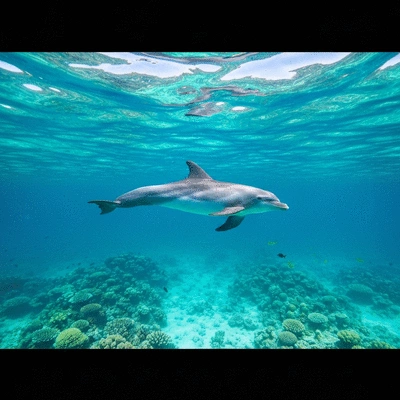
From habitat restoration to community engagement, WWF Australia has made significant strides in promoting awareness and action toward sustainable practices. They work to create a balance between the needs of local fishing communities and the preservation of marine wildlife—a challenge that many organizations face today.
Overview of WWF Australia Initiatives
WWF Australia leads several impactful projects that focus on marine conservation. Here are a few key initiatives:
- Marine Protected Areas (MPAs): Designated zones that limit human activity to protect marine biodiversity.
- Bycatch Reduction Programs: Aiming to minimize unintentional catch of dolphins and other marine mammals.
- Community Engagement: Programs designed to involve local communities in sustainable fishing practices.
These initiatives highlight WWF Australia's holistic approach to marine conservation. By working alongside local communities, they foster a sense of ownership and responsibility toward marine ecosystems. This community involvement is essential for long-term sustainability, and as I continue sharing insights through the Marine Species Guide, I find that collaboration is key.
Importance of Balancing Fisheries and Marine Mammal Protection
Balancing fisheries and marine mammal protection is crucial for maintaining healthy ocean ecosystems. In Australia, where fishing is a significant part of many communities, it's essential that we adopt sustainable practices that support both local fishermen and the marine life they depend on. This ensures that dolphin populations thrive while allowing local communities to continue their traditions.

By engaging in responsible fishing practices, we can help protect marine biodiversity. Here are some ways in which sustainable fishing benefits both the environment and the fishing industry:
- Preserves Dolphin Populations: Sustainable practices reduce the likelihood of dolphin bycatch.
- Boosts Local Economies: Sustainable fisheries can enhance fish stocks, leading to better catches over time.
- Protects Ecosystems: Healthy fish populations contribute to balanced marine ecosystems.
As I explore the importance of these practices through my work, I’m continually reminded that when we prioritize sustainability, we not only protect marine mammals but also support the livelihoods of those who rely on the ocean for their way of life.
Marine Biodiversity and Ecosystem Management
The relationship between marine biodiversity and effective ecosystem management cannot be overstated. Healthy dolphin populations are often indicative of a thriving marine environment. When dolphins flourish, it's a sign that their habitats are being well managed and that other species are also benefiting from those protections.
To highlight this relationship, consider the following factors that contribute to marine biodiversity:
- Habitat Protection: Ensuring critical habitats are preserved helps maintain diverse marine life.
- Pollution Control: Reducing pollutants in our oceans safeguards the health of all marine species.
- Research and Monitoring: Ongoing studies provide insights into the health of dolphin populations and their ecosystems.
As I work with the Marine Species Guide, I consistently emphasize the need for effective ecosystem management strategies. By advocating for policies that support biodiversity, we can help ensure that future generations enjoy the beauty and richness of our oceans.
We Want to Hear From You!
As we discuss these important marine conservation initiatives, we want to know your thoughts! What do you believe is the most critical step we can take to protect marine biodiversity? Share your opinion below:
Major Initiatives Addressing Bycatch and Dolphin Protection
In the fight for marine conservation, addressing the crucial issues of bycatch and dolphin protection is paramount. Bycatch refers to the unintentional capture of non-target species during fishing operations, and it poses a significant threat to our beloved marine mammals. That’s why initiatives like the Net-Free Reef Campaign and the establishment of Marine Protected Areas (MPAs) are vital components of the conservation landscape. Let’s dive into some key initiatives that aim to protect dolphins and promote healthier marine ecosystems.
Net-Free Reef Campaign: A Transformation for Marine Life
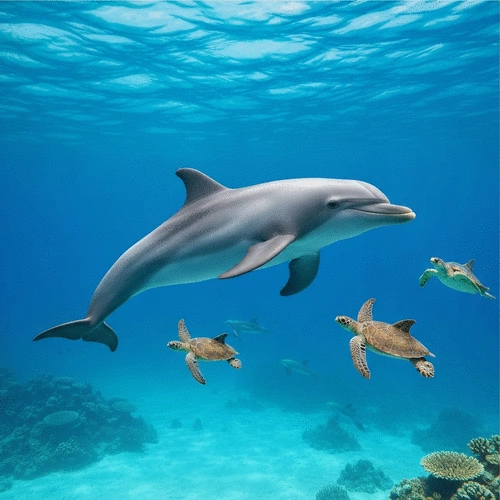
The Net-Free Reef Campaign stands as a beacon of hope for marine biodiversity. Its primary goal is to eliminate gill nets in key fishing areas, which are known to entangle dolphins and turtles, leading to distressing mortality rates. By phasing out these harmful nets, the initiative aims to rejuvenate local fish populations while enhancing the safety of marine mammals.
- Reduces dolphin entanglement and mortality.
- Promotes sustainable fishing practices among local communities.
- Encourages the growth of diverse marine species.
Through collaborative efforts with local fishermen and conservation organizations, this campaign is not just about policy change; it’s about transforming the way we interact with our marine environment. As a marine biologist, I find it inspiring to see such proactive measures being put in place to safeguard our ocean's inhabitants!
Implementing Marine Protected Areas (MPAs)
Marine Protected Areas (MPAs) play a critical role in safeguarding the habitats that dolphins and other marine life rely on. These designated regions provide a sanctuary where fish populations can thrive without the pressures of fishing activities. In Australia, the creation of new MPAs has shown promising results in reducing bycatch and preserving dolphin habitats.
- Helps in the recovery of depleted fish stocks.
- Protects essential habitats such as breeding and feeding grounds.
- Facilitates ecosystem resilience against climate change impacts.
By allowing ecosystems to recover and flourish, MPAs contribute significantly to the long-term health of marine biodiversity. As I’ve witnessed throughout my work with the Marine Species Guide, these areas not only protect marine mammals but also offer recreational fishing opportunities that are more sustainable for future generations.
Bycatch Reduction Strategies in Fisheries Management
Recognizing the urgent need to address bycatch in our fisheries, various strategies are being implemented to mitigate its impact. These strategies are designed to balance the demands of fishing with the necessity of protecting marine life, particularly dolphins. Here are some notable techniques:
- Gear modifications to reduce unwanted catches.
- Implementing seasonal closures during critical breeding times.
- Training fishermen in best practices for handling bycatch.
These initiatives not only aim to decrease bycatch rates but also engage local fishing communities in sustainable practices. As someone who is devoted to marine conservation, I believe that empowering fishermen through education and resources is key to fostering a culture of responsibility towards our oceans. Together, we can make a significant impact on the survival of dolphins and preserve the beauty of our marine ecosystems! Learn more about sustainable dolphin fish fishing practices.
Frequently Asked Questions (FAQs)
Here are some common questions about WWF Australia's marine conservation efforts and related topics:
- What are Marine Protected Areas (MPAs) and why are they important?
MPAs are designated zones that limit human activity to protect marine biodiversity. They are crucial for safeguarding habitats, allowing fish populations to recover, and preserving diverse marine life. - How do bycatch reduction programs help marine mammals?
Bycatch reduction programs implement strategies like gear modifications and seasonal closures to minimize the unintentional capture of non-target species, such as dolphins, during fishing operations, thereby reducing mortality rates. - What role does community engagement play in marine conservation?
Community engagement programs involve local communities in sustainable fishing practices and conservation efforts. This fosters a sense of ownership and responsibility, which is essential for the long-term success and sustainability of marine ecosystems. - How does sustainable fishing benefit both the environment and local economies?
Sustainable fishing practices reduce the likelihood of dolphin bycatch, enhance fish stocks for better catches over time, and protect marine ecosystems. This benefits both marine life and the livelihoods of local fishing communities who depend on healthy oceans. - What is the Net-Free Reef Campaign?
The Net-Free Reef Campaign is an initiative aimed at eliminating gill nets in key fishing areas to prevent the entanglement of dolphins and turtles. Its goal is to rejuvenate local fish populations and enhance the safety of marine mammals. - Why is research and monitoring important for marine conservation?
Ongoing research and monitoring provide crucial insights into the health of dolphin populations and their ecosystems. This data helps in developing effective conservation strategies, advocating for appropriate policies, and ensuring the long-term health of marine species.
Recap of Key Points
Here is a quick recap of the important points discussed in the article:
- Marine Protected Areas (MPAs): These zones limit human activity to protect marine biodiversity and support dolphin conservation.
- Bycatch Reduction Programs: Initiatives aimed at minimizing the unintentional catch of dolphins and other marine mammals during fishing.
- Community Engagement: Involving local communities in sustainable fishing practices is crucial for long-term marine conservation.
- Sustainable Fishing Practices: These practices benefit both dolphin populations and local economies by ensuring healthy fish stocks and balanced ecosystems.
- Pollution Control: Reducing ocean pollutants is essential for maintaining the health of marine species and ecosystems.
- Research and Monitoring: Continuous studies are vital for understanding the health of dolphin populations and the overall marine environment.