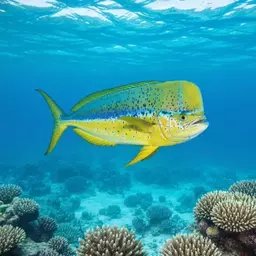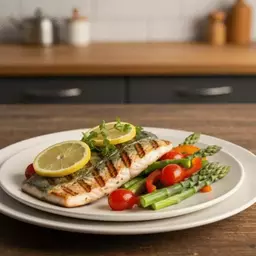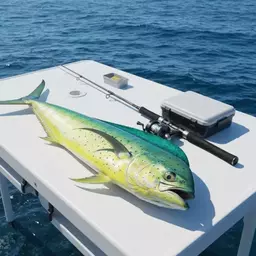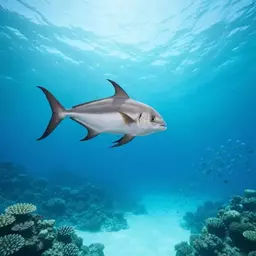
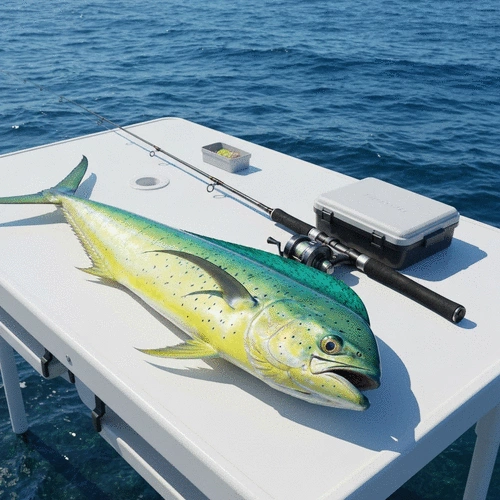
The thrill of catching dolphin fish, also known as mahi-mahi, often hinges on understanding their seasonal patterns and behaviors. By diving deep into the science of marine ecology, you can transform your fishing experience from mere luck to a well-planned adventure!
What You Will Learn
- Dolphin fish are migratory, and their activity levels vary with environmental factors such as water temperature and food availability.
- Focusing on seasonal migration patterns can significantly increase your chances of a successful catch, particularly from late spring to early fall.
- Identifying hotspots involves monitoring sea surface temperatures, chlorophyll breaks, and the Gulf Stream edges where dolphin fish are likely to gather.
- Utilizing the right fishing gear and techniques, such as trolling with ballyhoo, can enhance your catch potential.
Dolphin Fish Activity & Hotspot Factors
Understanding the key factors that influence dolphin fish activity and their preferred hotspots can significantly improve fishing success. These visuals highlight optimal conditions and important indicators for anglers.
Optimal Water Temperature
20°C - 30°C
Ideal range for dolphin fish activity.
Crucial for migration & feeding.
Key Hotspot Indicators
- ● Sea Surface Temperature (SST)
- ● Chlorophyll Breaks
- ● Weed Lines & Flotsam
- ● Gulf Stream Edges
Attracts prey, then dolphin fish.
Environmental Influences
- ● Water Temperature Changes
- ● Food Source Availability
- ● Breeding Cycles
- ● Migration Patterns
Impacts dolphin fish movement.
Australian Regulations
50 cm (Min. Size)
5 Fish (Bag Limit)
Check AFMA for latest rules.
Understanding Seasonal Dolphin Fish Hotspots for Recreational Anglers
Have you ever wondered why some times of the year seem to bring in bigger and more abundant catches of dolphin fish? Understanding seasonal hotspots for dolphin fishing can make all the difference in your experience on the water. As a passionate advocate for sustainable fishing practices at the Marine Species Guide, I want to share insights on why targeting dolphin fish during specific seasons can enhance your fishing trips. For more information on responsible angling, consider checking out our guide on sustainable dolphin fish fishing practices.
Recreational fishing is not just about the catch; it's about the experience! Knowing when and where to fish for dolphin can lead to memorable moments, whether you're out on a charter or enjoying a day on your boat. Let's dive into the reasons behind seasonal fishing and what you can do to maximize your success.
Why Target Dolphin Fish in Specific Seasons?
One main reason to focus on specific seasons is the natural behavior of dolphin fish. These fish are migratory, and their activity levels fluctuate based on various environmental factors. Understanding these influences can help you plan your fishing trips more effectively.
- Temperature changes in the water
- Availability of food sources
- Breeding cycles and migration patterns
By aligning your fishing plans with these seasonal changes, you stand a better chance of reeling in a hefty mahi-mahi!
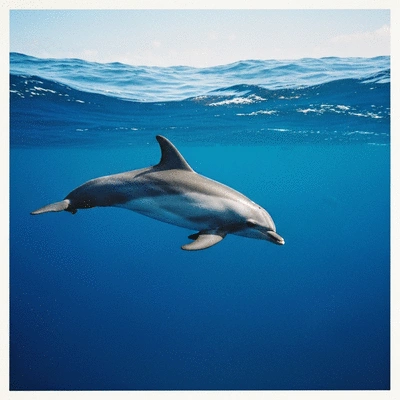
The Appeal of Recreational Fishing for Dolphin (Mahi-Mahi)
The thrill of catching dolphin fish, also known as mahi-mahi, is hard to match. Their striking colors and acrobatic jumps make them a favorite for recreational anglers. Plus, they are delicious on the plate! As someone who cherishes the ocean's gifts, I can tell you that targeting these fish during their peak seasons is part of the joy of fishing.
When you understand their habits, you can create a fishing strategy that doesn’t just focus on luck but rather on the science of marine ecology, which is at the heart of our mission at the Marine Species Guide.
Key Factors Influencing Dolphin Fish Activity
Several factors play a role in dolphin fish movement. Among these, water temperature is crucial. Dolphin fish thrive in warmer waters, which is why they are often found in temperate regions during the warmer months. Additionally, factors like currents and winds can impact where they gather. To better understand the species, you might want to explore the differences between mahi-mahi vs. dolphins.
- Water temperature: Ideal range is between 20°C and 30°C
- Current patterns: Upwellings can attract prey
- Wind conditions: Influence surface activity and feeding
As you consider your next fishing excursion, keep these elements in mind to increase your chances of a successful outing!
Understanding Seasonal Migration Patterns of Dolphin Fish
Just like we have our favorite times of the year, dolphin fish follow seasonal migration patterns based on environmental cues. They tend to move towards warmer waters as the seasons change, which is why understanding their patterns can lead to greater success.
In Australia, peak seasons typically coincide with warmer months, with dolphin fish being more abundant from late spring to early fall. This knowledge can set you on the right path to not just catch fish but experience the excitement of the hunt!
Identifying Key Dolphin Fish Hotspots
Now that we’ve covered why targeting dolphin fish in specific seasons is essential, let’s delve into how to identify hotspots where you can expect to find these fish. Understanding the environmental conditions that attract dolphin fish will elevate your fishing game.
Understanding Sea Surface Temperature (SST) Preferences
The first step in identifying hotspots for dolphin fish is understanding their preference for sea surface temperature (SST). These fish are more likely to be found in waters that are warmer, so keeping an eye on temperature trends can guide you to the best locations.
- Look for SST charts to monitor changes
- Focus on areas where warmer water meets cooler water
- Be aware of seasonal shifts in temperature
Utilizing this knowledge will help you pinpoint where dolphin fish are likely to be swimming!
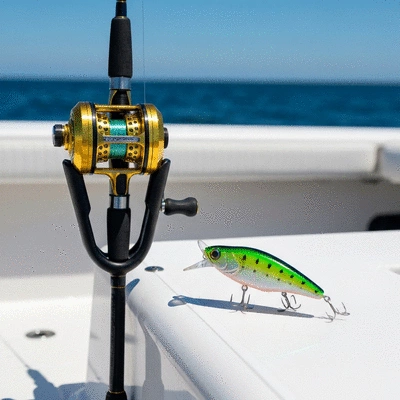
Recognizing Ideal Chlorophyll Breaks and Weed Lines
Another key to finding dolphin fish is recognizing chlorophyll breaks and weed lines. These areas indicate where nutrient-rich waters are present, often attracting the smaller fish that dolphin feed on. By fishing near these features, you stand a higher chance of success.
Simply put, if you can find the food, you can find the fish! For example, targeting floating debris or current lines can help you locate these promising spots.
Utilizing Gulf Stream Edges and Flotsam for Better Catch Rates
The Gulf Stream is a powerful current and plays a significant role in the distribution of dolphin fish. Fishing along the edges of these currents can yield fantastic results—just be sure to bring your best gear!
- Seek out floating flotsam, which can attract baitfish
- Fish along the current lines where dolphin are likely to congregate
- Consider the impact of weather patterns on Gulf Stream behavior
With some planning and the right approach, you can maximize your catch rates!
Impact of Coastal Waters and Tidal Influences on Dolphin Habitats
Lastly, the coastal waters and tide influences can significantly affect where dolphin fish are found. Understanding local tide schedules can help you determine the best times to fish. Generally, incoming tides can create ideal feeding conditions.
Make sure to check your local tide charts and plan your fishing trips accordingly, enhancing your chances of having a great day on the water!
Regional Insights for Dolphin Fishing Success
As we explore dolphin fishing hotspots, it’s important to consider regional insights that can enhance your experience. Different areas have unique seasonal patterns that can influence your strategy.
Gulf of Mexico: Seasonal Patterns and Depths
In the Gulf of Mexico, the seasonal patterns of dolphin fish are heavily influenced by water temperature and currents. Typically, the best fishing is found in deeper waters during the summer months, where they seek cooler temperatures. Knowing your depths can lead to fantastic catches!
Outer Banks: Timing and Tactics for Peak Catches
The Outer Banks are a hotspot for dolphin fishing, especially in the summer months. Timing your trips to coincide with summer migrations can yield impressive results. Utilize local fishing charters for the best tactics that cater to this region's unique conditions!
Caribbean Migration Trends: What to Expect
In the Caribbean, dolphin fish migration tends to follow warmer water currents. Being aware of these trends can significantly enhance your fishing success. Plan your trips in line with these migrations for optimal results!
Northeast Canyons: Catching Dolphin in the Summer Months
The Northeast canyons provide excellent opportunities for catching dolphin fish during the summer. The deep waters here attract large numbers of fish, making it an attractive destination for anglers. Knowing the right spots can lead to memorable days on the water!
Popular Destinations for Dolphin Fishing and Local Guides
Before heading out, consider reaching out to local guides who know the waters well. They can provide invaluable insights into the best times and places to fish for dolphin. Popular destinations often include:
- Florida Keys
- Hatteras, North Carolina
- San Diego, California
- Port Aransas, Texas
Connecting with local experts can make your fishing adventure all the more successful and enjoyable!
Effective Tactics and Techniques for Catching Dolphin
Now that we’ve covered seasonal hotspots and regional insights, let’s dive into some effective tactics and techniques for catching dolphin. Having the right approach can elevate your fishing game!
Best Fishing Gear and Rigs for Dolphin Fishing
Choosing the right fishing gear is critical for success. A sturdy rod paired with the appropriate reel can make all the difference. I personally recommend using braided line for better sensitivity and strength when targeting these vibrant fish.
- 6-12 weight rod for optimal casting
- 20-30lb test line for durability
- Reels with a smooth drag system for tackling larger catches
Having the right gear not only helps in catching fish but also enhances the overall experience on the water.
Utilizing Trolling Techniques with Ballyhoo and Bailing Bait
Trolling is a highly effective technique for catching dolphin fish. Using bait like ballyhoo while trolling can attract dolphin and increase your chances of a good catch. Make sure to adjust your trolling speed and maintain a steady pace to entice the fish.
High Fliers and Pots: Maximizing Your Catch Potential
Utilizing high fliers and pots can also enhance your chances for better catch rates. These techniques focus on attracting dolphin fish by mimicking their natural prey, making it easier to reel them in!
Choosing the Right Baitfish for Successful Dolphin Fishing
When it comes to bait, select fish that are common in the areas you're fishing. Live bait tends to work best for dolphin fish. Options like small ballyhoo, mackerel, or even small tuna can yield impressive results!
Enhancing Your Fishing Experience with Technology
Finally, let's explore how technology can enhance your fishing experience. Tools like satellite charts and fish finders can help you identify hotspots and improve catch rates.
The Role of Satellite Charts in Identifying Hotspots
Satellite charts provide valuable information on sea conditions and can help you locate optimal fishing areas. Keeping track of changes in water temperature and currents can guide your fishing strategy effectively.
Interactive Tools for Monitoring SST and Current Patterns
There are many interactive tools available that allow you to monitor SST and current patterns. Utilizing these resources can provide real-time insights that will improve your decision-making on the water.
Video Resources for Grassline Fishing Techniques
Don't underestimate the power of video resources! There are numerous online tutorials available that cover techniques for fishing near grasslines, which is an effective strategy for targeting dolphin fish. These visual guides can offer simple tips that are easy to implement.
Leveraging Fish Finder Technology for Better Catch Rates
Fish finders can be a game changer for any angler. They help you locate schools of fish, ensuring that your time on the water is not only enjoyable but also productive. For serious dolphin fishing, investing in a good fish finder is worth considering!
Pro Tip
Did you know? Many successful anglers recommend using a fish finder app to track water temperature and current patterns in real-time. This technology can provide valuable insights into where dolphin fish are likely to be swimming, maximizing your chances for a big catch!
Frequently Asked Questions (FAQs) About Dolphin Fishing
What are the optimal water temperatures for catching dolphin fish?
Which environmental factors influence dolphin fish activity?
What are the best seasonal periods for dolphin fishing?
How can I identify dolphin fish hotspots?
What are the Australian regulations for dolphin fish regarding size and bag limits?
What are some effective techniques for catching dolphin fish?
How can technology help improve my dolphin fishing success?
Engaging with the Dolphin Fishing Community
As a marine biologist and fishing enthusiast, I believe that one of the best parts of recreational fishing is the community that comes with it! Engaging with fellow anglers not only enhances our fishing experiences but also helps us share valuable insights about our catches and the ecosystems we cherish. Together, we can build a stronger network that supports sustainable fishing practices and fosters appreciation for the dolphin fish.
Sharing Real-Time Catch Reports and Experiences
Have you ever found yourself excited to share a recent catch or fishing adventure? I know I have! Sharing real-time catch reports is a fantastic way to contribute to the community and gather useful data. By encouraging anglers to submit their catch experiences, we can create a more accurate understanding of dolphin fish populations and their seasonal movements.
- Submit photos and descriptions of your catch.
- Include details about the location and conditions.
- Share your fishing tactics and bait used.
These contributions not only help others improve their fishing techniques but also build a collaborative community. If you have insights or reports to share, don't hesitate—your experience is valuable!
Creating a Collaborative Platform for Anglers
To truly thrive as a fishing community, we need a collaborative platform where anglers can come together, share experiences, and exchange tips. This can be achieved through local fishing clubs, dedicated online forums, or even community events. Such platforms can facilitate group outings, workshops, and discussions about best practices in sustainable fishing.
- Host regular meet-ups or fishing tournaments.
- Share educational workshops on sustainable practices.
- Encourage mentorship between experienced and novice anglers.
By working together, we not only enhance our skills but also create a network that values marine conservation and responsible fishing.
Utilizing Social Media Groups for Community Engagement
Social media platforms are a fantastic way to engage with the dolphin fishing community! Groups dedicated to fishing can serve as a hub for sharing tips, techniques, and even photos of recent catches. These platforms allow us to connect with anglers from all around, making it easy to collaborate and learn.
- Join Facebook or Instagram groups focused on dolphin fishing.
- Participate in discussions about local hotspots and fishing gear.
- Share your own content to inspire and educate fellow anglers.
Remember, the more we interact and support each other, the stronger our community becomes!
Understanding Regulations and Sustainability in Dolphin Fishing
As we enjoy our time on the water, it’s essential to remain knowledgeable about regulations and sustainability practices. This not only protects our environment but ensures that future generations can enjoy the thrill of catching dolphin fish. I encourage everyone to stay informed about local fishing regulations to maintain healthy dolphin populations.
Current Regulations: Size and Bag Limits Explained
Understanding the current regulations is key to responsible fishing. In Australia, there are specific size and bag limits for dolphin fish to help manage populations. Here’s what you need to know:
- The minimum size limit for dolphin fish is typically around 50 cm.
- Bag limits may vary; generally, it's around 5 fish per person per day.
- Always check the latest regulations through the Australian Fisheries Management Authority (AFMA) website.
By adhering to these rules, you’re doing your part to protect marine ecosystems and ensure the sustainability of our fishing practices!
Promoting Sustainable Practices in Recreational Fishing
As part of the Marine Species Guide, I’m passionate about promoting sustainable fishing practices. Here are some ways you can contribute to the health of our oceans while enjoying your fishing adventures:
- Practice catch and release whenever possible.
- Use barbless hooks to minimize injury to fish.
- Educate others about responsible fishing techniques.
When we collectively prioritize sustainability, we not only protect dolphin fish but also the delicate ecosystems they inhabit.
Insights on Fisheries Management and Conservation Efforts
Understanding fisheries management and conservation efforts is crucial for every angler. Organizations are actively working to maintain fish populations and protect marine environments, and we can all play a part in supporting these efforts. For more details on safeguarding marine life, check out our insights on protecting dolphin fish habitats together. Keep an eye on local initiatives and consider participating in conservation programs or volunteer opportunities.
- Follow local conservation groups on social media.
- Participate in clean-up events at popular fishing spots.
- Advocate for sustainable fishing policies with local authorities.
Together, we can help ensure that the thrill of fishing remains for generations to come!
Recap of Key Points
Here is a quick recap of the important points discussed in the article:
- Dolphin fish are migratory, and their activity levels fluctuate with water temperature, food availability, and breeding cycles.
- Targeting dolphin fish during their peak seasons, particularly from late spring to early fall, enhances fishing success.
- Identifying hotspots involves understanding sea surface temperature (SST) preferences and recognizing chlorophyll breaks and weed lines.
- Utilizing fishing techniques such as trolling with ballyhoo and understanding local tide schedules can improve catch rates.
- Engaging with the fishing community and sharing experiences fosters knowledge and promotes sustainable fishing practices.
- Staying informed about local regulations and practicing catch and release contributes to the conservation of dolphin fish populations.