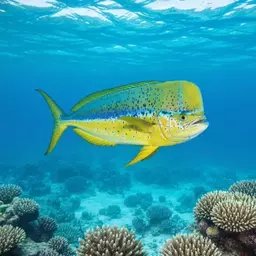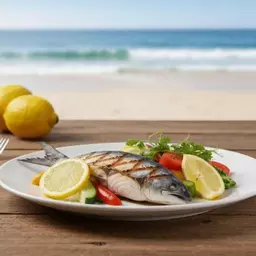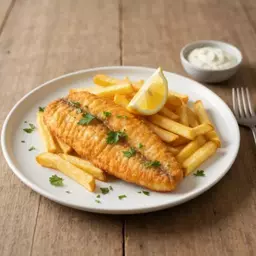
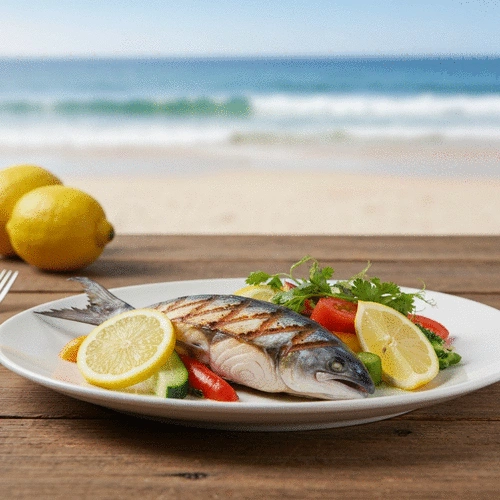
As you embark on a culinary adventure with dolphin fish, also known as mahi-mahi, you'll discover not only its delicious flavors but also the importance of sustainable practices in seafood consumption. Are you ready to enhance your cooking repertoire while contributing to marine conservation?
What You Will Learn
- Nutritional Benefits: Dolphin fish is rich in omega-3 fatty acids and lean protein, making it a healthy choice for any diet.
- Cooking Versatility: Mahi-mahi can be prepared using various methods, from grilling to baking, and pairs well with diverse flavors.
- Sustainable Sourcing: Choosing certified sustainable dolphin fish helps protect marine ecosystems and ensures responsible consumption.
- Flavor Enhancement: Incorporating local Australian herbs and spices can elevate mahi-mahi dishes, creating unique and exciting culinary experiences.
Mahi-Mahi's Benefits and Sustainable Sourcing
Dolphin fish, also known as mahi-mahi, offers significant nutritional benefits and culinary versatility. Its sustainable sourcing is also a key consideration for responsible consumption, especially when you consider understanding dolphin fish and dolphins.
The Appeal of Mahi-Mahi: Benefits & Versatility
Nutritional Benefits
- High in Omega-3: Essential for heart health.
- Lean Protein Source: Great for muscle maintenance.
- Low in Mercury: Safer for consumption.
Culinary Versatility
- Absorbs Flavors: Perfect for marinades.
- Firm Texture: Suitable for grilling, baking, pan-searing.
- Pairs with Herbs: Enhances with local Australian ingredients.
Sustainable Sourcing & Flavor Exploration
Sustainable Sourcing Practices
- Look for Labels: Check for MSC certifications.
- Ask Your Fishmonger: Inquire about fish origin.
- Support Local: Choose Australian fisheries with sustainable methods.
Exploring Flavor Profiles
- Native Herbs: Lemon myrtle, finger lime, bush tomato.
- Bush Spices: Wattleseed, saltbush for unique taste.
- Fresh Ingredients: Seasonal vegetables for brightness.
Delicious Dolphin Fish Recipes to Savor from Australia’s Coasts
Have you ever tasted the vibrant flavors of dolphin fish, also known as mahi-mahi? This beautiful fish has become a staple in Australian cuisine, not just for its taste but also for its numerous nutritional benefits. Rich in protein and low in fat, dolphin fish is an excellent choice for health-conscious individuals looking to enjoy the ocean's bounty. Plus, its versatility in the kitchen means you can prepare it in countless ways, from grilling to baking!
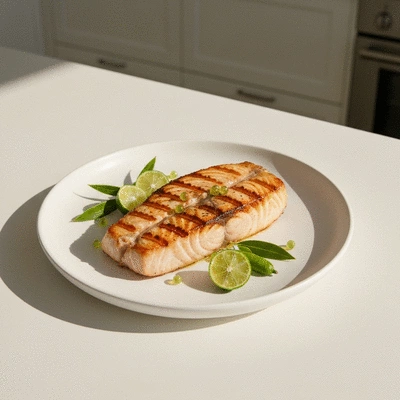
As a marine biologist and the founder of the Marine Species Guide, I’m passionate about sharing not only the culinary delights of this fish but also the importance of responsible seafood consumption. The dolphin fish’s mild flavor and firm texture make it perfect for a variety of recipes that highlight Australian ingredients. Let’s dive into the appeal of mahi-mahi, starting with its health benefits.
The Appeal of Mahi-Mahi: Benefits and Cooking Versatility
- High in Nutrients: Dolphin fish is packed with omega-3 fatty acids, essential for heart health.
- Lean Protein Source: It provides a substantial amount of protein, making it a great choice for muscle maintenance.
- Low in Mercury: Compared to other fish species, mahi-mahi contains lower mercury levels, making it safer for consumption.
These benefits contribute to the fish’s growing popularity in Australian kitchens. Its adaptability means it can take on various flavors—whether you’re in the mood for a spicy marinade or a zesty citrus glaze. I often find myself experimenting with different herbs and spices, which lead to exciting and delicious dishes. For some inspiration, check out these simple mahi-mahi recipes to try.
Understanding Sustainable Sourcing in Australian Fisheries
As we enjoy the flavors of dolphin fish, it is vital to consider how it is sourced. Sustainable fishing practices ensure that dolphin fish populations remain healthy, protecting our marine ecosystems. By choosing certified sustainable catches, we play a crucial role in maintaining these ecosystems for generations to come.
- Look for labels: Check for certifications from organizations like the Marine Stewardship Council (MSC).
- Ask your fishmonger: Don’t hesitate to inquire about the sourcing of the fish you buy.
- Support local fisheries: Whenever possible, purchase from local Australian fisheries that practice sustainable methods.
Being informed about sustainable sourcing not only enriches our culinary experience but also aligns perfectly with our mission at the Marine Species Guide to foster a deeper understanding of marine conservation. Together, we can enjoy delicious meals while protecting our oceans!

Exploring Flavor Profiles: Herbs, Spices, and Fresh Ingredients
The beauty of cooking dolphin fish lies in its ability to absorb flavors wonderfully. In Australia, we have a treasure trove of local herbs and spices that elevate dolphin fish dishes to new heights. Think about marinating your mahi-mahi with fresh lemon myrtle or pairing it with a bush tucker-inspired spice blend. The combination of these unique ingredients can create a culinary masterpiece!
- Native Herbs: Incorporate lemon myrtle, finger lime, and bush tomato.
- Spices: Use native bush spices like wattleseed or saltbush to enhance flavors.
- Fresh Ingredients: Don’t forget to add seasonal vegetables and fresh herbs to brighten your dishes!
Experimenting with these ingredients can lead to mouthwatering combinations that showcase the best of Australian coastal cuisine. I encourage you to share your creations and let me know what works best for you! Cooking is all about delighting the senses and celebrating our beautiful marine environment.
Pro Tip
To enhance the flavor of your mahi-mahi, try marinating it for at least 30 minutes before cooking. A simple marinade of olive oil, lemon juice, garlic, and fresh herbs can infuse the fish with vibrant flavors while keeping it moist and tender during cooking.
Frequently Asked Questions About Dolphin Fish (Mahi-Mahi)
What are the main nutritional benefits of dolphin fish?
Dolphin fish (mahi-mahi) is rich in omega-3 fatty acids, which are essential for heart health, and is an excellent source of lean protein, great for muscle maintenance. It also contains lower levels of mercury compared to some other fish species, making it a safer option for regular consumption.
How versatile is mahi-mahi in cooking?
Mahi-mahi is incredibly versatile due to its mild flavor and firm texture. It can be prepared using various methods such as grilling, baking, pan-searing, and even frying. Its ability to absorb flavors makes it perfect for marinades, allowing it to pair well with a wide range of herbs, spices, and sauces.
Why is sustainable sourcing important for dolphin fish?
Sustainable sourcing ensures that dolphin fish populations remain healthy and marine ecosystems are protected for future generations. By choosing certified sustainable catches, consumers support fishing practices that minimize environmental impact and help maintain the balance of ocean life.
What Australian herbs and spices can enhance mahi-mahi dishes?
Local Australian herbs and spices like lemon myrtle, finger lime, bush tomato, wattleseed, and saltbush can greatly enhance the flavor of mahi-mahi. These native ingredients offer unique flavor profiles that can transform simple dishes into culinary masterpieces.
How can I identify sustainably sourced dolphin fish?
You can identify sustainably sourced dolphin fish by looking for certifications from organizations like the Marine Stewardship Council (MSC). Additionally, don't hesitate to ask your fishmonger about the origin of their fish and show preference for local Australian fisheries that are known to practice sustainable methods.
Wrapping Up Your Coastal Culinary Journey
As we wrap up our exploration of delicious dolphin fish recipes, I hope you're inspired by the unique flavors and cooking methods we've discussed. Each dish, from the pan-seared mahi-mahi to the grilled dolphin fish with a crunchy macadamia crust, showcases the versatility of this magnificent fish. The vibrant combinations of local ingredients, herbs, and spices not only elevate the taste but also celebrate the rich culinary heritage of Australia’s coasts! You can learn more about protecting dolphin fish in Australia.
Whether you're a seasoned chef or just starting your culinary journey, these recipes invite you to experiment and embrace the bountiful flavors of our marine environment. With each bite, you’re not just savoring a meal; you’re participating in a tradition that honors sustainability and local culture. So, get those pots and pans ready, and let’s get cooking!
Join the Conversation: Share Your Dolphin Fish Experiences
I’d love to hear about your own experiences with dolphin fish! Have you tried any of the recipes we discussed? Or do you have a favorite cooking tip or recipe of your own? Please share your thoughts in the comments below! Engaging with you is what makes the Marine Species Guide truly special, as we all come together to appreciate our coastal treasures and the sustainable practices that protect them.
- Share your favorite dolphin fish recipe.
- Ask questions about cooking techniques or ingredients.
- Tell us about a memorable fishing experience.
- Discuss local herbs and spices you love to use.
Let’s create a community of passionate seafood lovers who value both culinary excellence and the conservation of our beautiful marine ecosystems. I can’t wait to hear from you!
Recap of Key Points
Here is a quick recap of the important points discussed in the article:
- Health Benefits: Dolphin fish is high in protein, low in fat, and rich in omega-3 fatty acids, promoting heart health.
- Sustainable Sourcing: Choose certified sustainable catches to protect marine ecosystems and ensure dolphin fish populations remain healthy.
- Flavor Exploration: Experiment with local herbs and spices such as lemon myrtle and wattleseed to enhance the taste of mahi-mahi dishes.
- Cooking Versatility: Dolphin fish can be grilled, baked, or marinated, allowing for a wide range of delicious recipes.
- Community Engagement: Share your dolphin fish experiences and recipes to foster a community that values culinary excellence and marine conservation.