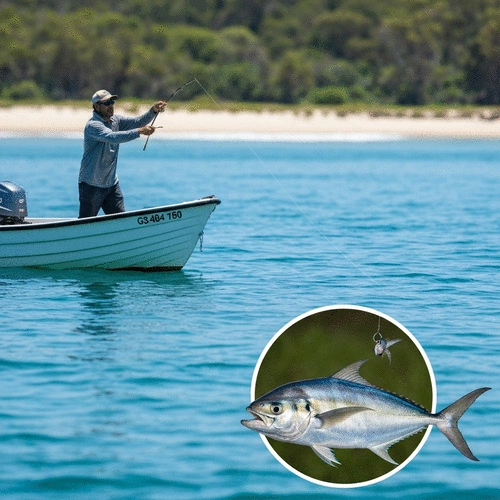
As we strive for a sustainable future in fishing, understanding the regulations that guide our practices is crucial. What steps can we take to ensure that we protect our marine ecosystems while still enjoying the benefits of fishing? Let’s explore the essential insights into sustainable fishing practices for dolphin fish in Australian waters.
What You Will Learn
- The role of the Australian Fisheries Management Authority (AFMA) in regulating sustainable fishing practices.
- Understanding AFMA regulations, including catch limits and bycatch reduction strategies to protect dolphin fish populations.
- The importance of reducing bycatch to protect non-target species, including marine mammals.
- Community engagement and collaboration with local fishers to promote sustainable fishing and marine conservation efforts.
AFMA Regulations and Conservation Efforts for Dolphin Fish
The Australian Fisheries Management Authority (AFMA) implements crucial regulations to ensure the sustainability of dolphin fish populations. These efforts focus on managing fishing practices, reducing bycatch, and actively engaging the community in conservation initiatives.
AFMA Regulation Pillars
- 1 Establishing catch limits to prevent overfishing.
- 2 Implementing size limits for juvenile fish to spawn.
- 3 Providing bycatch reduction strategies.
Marine Conservation Efforts
- 1 Engaging in habitat restoration initiatives.
- 2 Collaborating with local fishers for sustainable practices.
- 3 Utilizing educational outreach for awareness.
Community Engagement for Sustainable Fisheries
Active participation in local events and sharing knowledge fosters a culture of sustainability and protects marine ecosystems.
Explore AFMA ResourcesSustainable Fishing Practices for Dolphin Fish in Australian Waters
As a marine biologist passionate about sustainable fishing, I believe that understanding our regulations is crucial for the preservation of dolphin fish populations in Australia. The Australian Fisheries Management Authority (AFMA) plays a vital role in this landscape, regulating our fishing practices to ensure that we’re not just reaping the ocean's benefits but also protecting its delicate ecosystems.
AFMA is responsible for setting fishing quotas, monitoring stocks, and implementing sustainable practices that help maintain the balance in our marine environments. Their guidelines not only safeguard dolphin fish but are designed to ensure that future generations can enjoy both fishing and consumption of these incredible creatures. For more information on sustainable seafood, consult resources like NOAA Fisheries' guidelines.
Understanding AFMA Regulations and Their Importance
The AFMA regulations are essential for maintaining healthy fish stocks, particularly for our beloved dolphin fish, or mahi-mahi. These regulations help to monitor and manage fishing efforts, thereby reducing the pressure on dolphin fish populations. They also serve as a framework for sustainable fishing practices that can mitigate environmental impacts.
- Establishing catch limits to prevent overfishing.
- Implementing size limits to ensure juvenile fish have the opportunity to spawn.
- Providing bycatch reduction strategies to protect non-target species.
Staying compliant with AFMA regulations is not just a legal obligation; it's a responsibility that we, as stewards of the ocean, must embrace. By adhering to these guidelines, we're taking important steps to protect the marine ecosystems that support dolphin fish populations.
Overview of Dolphin Fish and Bycatch Concerns
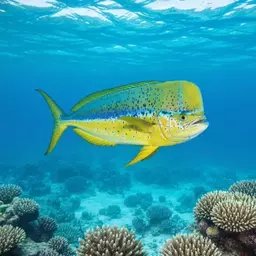
The dolphin fish is not only a prized catch but also an integral part of our marine ecosystem. As I’ve learned in my years of studying marine species, the significance of this fish stretches far beyond the dinner plate. However, with increased fishing, there is a rising concern about bycatch, especially when it comes to dolphins and other marine mammals inadvertently caught in fishing gear. Organizations like Earth Island Institute provide valuable insights into dolphin-safe fishing practices.
- Understanding the biological significance of dolphin fish in the food chain.
- Recognizing the impact of bycatch on dolphin populations.
- Implementing practices to reduce bycatch and protect marine biodiversity.
To truly celebrate our fishing heritage, we must remain vigilant about these concerns. Mitigating dolphin bycatch ensures that we’re not only preserving the species we target but also those we unintentionally harm. Further research on bycatch reduction strategies, such as those discussed in Frontiers in Marine Science, is crucial for effective conservation.
Marine Conservation Efforts for Dolphin Fish Populations
Marine conservation isn't just a trendy topic; it's a necessity for the long-term health of our oceans. Numerous organizations and community groups are working tirelessly to develop strategies aimed at protecting dolphin fish populations and their habitats. These efforts focus on habitat restoration and the establishment of marine protected areas (MPAs) which significantly contribute to the conservation of these species.
- Engaging in habitat restoration initiatives to support breeding grounds.
- Collaborating with local fishers to promote sustainable practices.
- Utilizing educational outreach to raise awareness about the importance of conservation.
By supporting these conservation efforts, we not only ensure that dolphin fish can thrive but also enhance our entire marine ecosystem. It’s a collective responsibility that I’m proud to champion through the Marine Species Guide.
Frequently Asked Questions
- What is the role of AFMA in sustainable fishing?
- The Australian Fisheries Management Authority (AFMA) is responsible for regulating fishing practices in Australian waters, setting catch limits, monitoring fish stocks, and implementing strategies to reduce bycatch to ensure the long-term sustainability of marine ecosystems, including dolphin fish populations.
- What are the key AFMA regulations for dolphin fish?
- Key AFMA regulations include establishing catch limits to prevent overfishing, implementing size limits to allow juvenile fish to mature and spawn, and providing bycatch reduction strategies to protect non-target species like marine mammals.
- Why is bycatch reduction important for dolphin fish populations?
- Bycatch reduction is crucial because it minimizes the accidental capture of non-target species, including dolphins and other marine mammals, which can significantly impact their populations. Protecting these species helps maintain the overall health and biodiversity of the marine ecosystem.
- How can the community contribute to sustainable fishing?
- Community engagement is vital. This includes actively participating in local conservation initiatives, collaborating with local fishers, supporting habitat restoration projects, and utilizing educational outreach to raise awareness about sustainable fishing practices and marine conservation.
- Where can fishers find resources for AFMA compliance?
- Fishers can find valuable resources on the AFMA website, including detailed fishing guidelines, information on sustainable fishing practices, and various resource and reference materials designed to assist with understanding and complying with regulations.
Key Components of AFMA’s Regulatory Framework
Now that we've explored the foundational aspects of sustainable fishing, let’s delve into the specific components of AFMA’s regulatory framework. These guidelines are designed to help us engage with the ocean responsibly while preserving its abundance for future generations.
Pro Tip
Did you know? Engaging in community-driven conservation initiatives not only supports the preservation of dolphin fish populations but also strengthens local fishing economies. By collaborating with local organizations, you can help implement best practices and spread awareness about sustainable fishing methods.
Summarizing Sustainable Practices and Regulatory Compliance
As we wrap up our discussion on sustainable fishing practices, it's clear that adhering to the Australian Fisheries Management Authority (AFMA) regulations is paramount for the responsible harvesting of dolphin fish. These regulations not only help maintain healthy fish populations but also mitigate the impact on bycatch species, ensuring the longevity of our marine ecosystems.
By following AFMA guidelines, fishers can actively contribute to the sustainability of dolphin fish stocks while also protecting other marine life. It's not just about fishing; it's about fishing responsibly!
Taking Action: Steps for Compliance in the Small Pelagic Fishery
Resources for Fishers: Navigating AFMA Regulations
For those of you operating within the Small Pelagic Fishery, I encourage you to leverage the valuable resources provided by AFMA. Here are some helpful links that can guide your compliance efforts:
These resources are designed to assist fishers in understanding the regulations better and implementing effective practices that support sustainability. By taking the time to review these materials, you're not only protecting our oceans but also enhancing your fishing operations!
Engaging with the Community and Future Sustainability Efforts
Engagement is key when it comes to sustainability. I encourage all fishers and stakeholders to actively participate in initiatives that promote responsible fishing practices. Whether it's joining local conservation groups or participating in community clean-up days, every effort counts!
Furthermore, sharing knowledge and experiences with fellow fishers can foster a culture of sustainability. Let's work together to create a fishing community that prioritizes the health of our oceans and the species that inhabit them!
Fostering Community Engagement for Sustainable Fisheries
The role of community engagement cannot be underestimated in promoting sustainable fisheries. By collaborating with local organizations, educational institutions, and the public, we can raise awareness about the importance of preserving our marine ecosystems.
Consider organizing or participating in local events that focus on marine conservation, sustainable fishing, and bycatch reduction. These activities not only strengthen community bonds but also support local fishing economies. When we come together as a community, we can achieve remarkable strides toward a sustainable future for our waters!
Recap of Key Points
Here is a quick recap of the important points discussed in the article:
- AFMA regulations are essential for maintaining healthy dolphin fish populations and mitigating environmental impacts.
- Key practices include establishing catch limits, size limits, and bycatch reduction strategies.
- Understanding the biological significance of dolphin fish and the impact of bycatch on marine biodiversity is crucial.
- Marine conservation efforts focus on habitat restoration and engaging local fishers for sustainable practices.
- Active community engagement and participation in conservation initiatives are vital for fostering sustainable fisheries.