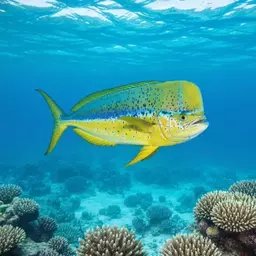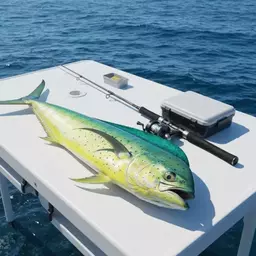
The health of our oceans depends on responsible fishing practices. By understanding AFMA regulations, you can not only enjoy your fishing experience but also protect dolphin populations and marine ecosystems. Ready to make a difference? Let's explore the essential lessons in sustainable dolphin fish harvesting!
What You Will Learn
- Promoting sustainability: Compliance with AFMA regulations encourages responsible fishing methods that safeguard marine life.
- Reducing dolphin interactions: Following guidelines minimizes unintentional dolphin captures during fishing activities.
- Enhancing ocean health: Adhering to regulations contributes to the overall sustainability of marine ecosystems.
- Understanding interaction thresholds: Regulations outline the maximum number of dolphin interactions permitted per fishing operation.
- Recognizing seasonal closures: Certain areas may be off-limits during crucial breeding periods to facilitate dolphin population recovery.
- Engaging in community efforts: Participation in local initiatives supports marine habitats and fosters a sense of stewardship among anglers.
AFMA Regulations: A Framework for Sustainable Dolphin Fish Harvesting
Understanding and complying with AFMA regulations is crucial for protecting dolphin fish and marine ecosystems. This framework outlines key areas and their impact on sustainable fishing practices. For more detailed information on conservation efforts, explore protecting dolphin fish in Australia.
Compliance Importance
- ✓ Promotes sustainable practices
- ✓ Reduces dolphin interactions
- ✓ Enhances ocean health
Key AFMA Regulations
- ● Interaction thresholds
- ● Seasonal closures
- ● Reporting requirements
Role of Marine Protected Areas (MPAs)
- ★ Habitat protection
- ★ Population recovery
- ★ Research opportunities
Best Practices for Anglers
- ▶ Stay informed on regulations
- ▶ Practice catch and release
- ▶ Participate in conservation
Sustainable Dolphin Fish Harvesting: Understanding AFMA Regulations
When it comes to sustainable fishing, understanding the AFMA regulations is crucial for all of us who share a passion for marine conservation. The Australian Fisheries Management Authority (AFMA) plays a vital role in promoting practices that not only protect our precious dolphin fish but also minimize interactions with dolphins, a species that deserves our utmost respect. These regulations help create a balance between enjoying our fishing experiences and ensuring the health of our marine ecosystems.

By adhering to AFMA guidelines, we can actively participate in the conservation of dolphin populations and contribute to the overall health of our oceans. As we dive deeper into this topic, let’s explore why compliance is so important for both anglers and marine life.
The Importance of Compliance in Dolphin Fish Harvesting
Compliance with AFMA regulations is not just about following the law; it’s about being responsible stewards of our marine resources. By adhering to these guidelines, we help maintain sustainable dolphin fish populations, which in turn supports the health of marine ecosystems. Understanding the significance of these regulations allows us to fish with a clear conscience and ensures that future generations can also enjoy the thrill of catching dolphin fish.
- Promotes sustainable practices: Compliance encourages responsible fishing methods that protect marine life.
- Reduces dolphin interactions: Following AFMA guidelines minimizes the risk of unintentional dolphin captures.
- Enhances ocean health: Adhering to regulations contributes to the overall sustainability of marine ecosystems.
As we adhere to these important rules, we not only protect our environment but also contribute to a community of responsible anglers. Remember, fishing is more than just a hobby; it’s a commitment to the ocean and its inhabitants! You can learn more about sustainable dolphin fish fishing practices.
Key AFMA Regulations Affecting Fishing Practices
To effectively engage in dolphin fish harvesting, it’s essential to be aware of the specific regulations set forth by AFMA, especially those relating to the Small Pelagic Fishery (SPF) and gillnet sectors. These regulations include established interaction thresholds and seasonal closures that help protect dolphin populations during critical times.

- Interaction thresholds: Regulations specify the maximum number of dolphin interactions allowed per fishing operation.
- Seasonal closures: Certain areas may be closed to fishing during key dolphin breeding periods to support population recovery.
- Reporting requirements: Anglers must document and report any dolphin interactions to AFMA to aid in monitoring efforts.
By understanding and respecting these regulations, we can ensure that our fishing practices align with conservation efforts and support the long-term sustainability of dolphin fish populations.
Exploring the Role of Marine Protected Areas in Fisheries Management
Marine protected areas (MPAs) are essential in the management of fisheries and play a critical role in sustaining dolphin populations. These designated zones are specifically established to conserve marine biodiversity and allow ecosystems to recover, free from the pressures of fishing. By restricting certain activities in these areas, we’re giving our oceans a chance to heal.
- Habitat protection: MPAs safeguard vital habitats that dolphins rely on for feeding and breeding.
- Population recovery: By limiting fishing pressure, MPAs support the recovery of dolphin populations and other marine species.
- Research opportunities: MPAs provide a unique environment for scientists to study ecosystems and assess the effectiveness of conservation strategies.
As we engage in responsible fishing practices, it’s important to recognize the significance of these protected areas. By supporting MPAs, we not only ensure the survival of dolphin fish but also contribute to the broader health of our marine environments, allowing them to thrive for years to come.
Frequently Asked Questions (FAQs)
Engagement Question
As you reflect on your fishing practices, what steps do you believe are most critical in promoting sustainable dolphin fish harvesting? Share your thoughts with us!
Summarizing Best Practices for Sustainable Dolphin Fish Harvesting
As we wrap up our exploration of sustainable dolphin fish harvesting, it's crucial to highlight the key aspects we’ve discussed. The regulations set by the Australian Fisheries Management Authority (AFMA) play a vital role in promoting responsible fishing practices. Compliance with these regulations not only helps protect our marine ecosystems but also supports the health of dolphin populations.
Additionally, the implementation of effective dolphin mitigation strategies, such as minimizing interactions while fishing, is essential. These practices contribute significantly to the conservation of marine life while ensuring that anglers can still enjoy the thrill of catching dolphin fish. Remember, we all share the responsibility of maintaining balance in our oceans!
- Understand and comply with AFMA regulations to support sustainability.
- Implement best practices to minimize dolphin interactions.
- Engage in ongoing education and community efforts to promote responsible fishing.
By adhering to these guidelines, we can ensure that our fishing practices are not only enjoyable but also environmentally friendly. It’s about creating a thriving ecosystem for future generations to enjoy.
Encouraging Responsible Fishing Practices Among Anglers
I want to extend a heartfelt call to action for all anglers out there! Embracing best practices and complying with AFMA regulations is not only beneficial for our beloved dolphin fish but also for the entire marine environment. When you choose to fish responsibly, you're making a commitment to protecting our oceans and supporting the sustainability of marine life.
As you gear up for your next fishing adventure, consider the impact of your actions. Here are some actionable steps you can take:
- Stay informed about the latest AFMA regulations and updates.
- Practice catch and release to help maintain fish populations.
- Participate in local conservation initiatives to support marine habitats.
By taking these steps, you’re not just a fisherman; you’re a steward of the sea! Together, we can make a real difference in preserving the health of our oceans while enjoying the rewards of responsible fishing. I encourage you to share your stories and experiences in sustainable fishing practices with our community at the Marine Species Guide. Let’s inspire others to join us in this vital mission!
Recap of Key Points
Here is a quick recap of the important points discussed in the article:
- Understand and comply with AFMA regulations to support sustainability in dolphin fish harvesting.
- Implement best practices to minimize dolphin interactions while fishing.
- Engage in ongoing education and community efforts to promote responsible fishing and conservation of marine ecosystems.
- Support Marine Protected Areas (MPAs) to enhance biodiversity and facilitate the recovery of dolphin populations.
- Stay informed about the latest fishing regulations and conservation initiatives.