Mahi-mahi, commonly known as dolphin fish, is not only a vibrant catch but also plays a crucial role in marine ecosystems. Understanding its characteristics and the nuances of fishing for this species can elevate your experience. Let's delve into the essential insights that will enhance your appreciation and skills regarding this remarkable fish!
What You Will Learn
- Dolphin fish, or mahi-mahi, is easily recognizable by its striking green and yellow colors and can grow rapidly, reaching over a meter in just a year.
- They thrive in warm oceanic waters and are commonly found near floating debris and underwater structures, making them an exciting target for anglers.
- Mahi-mahi is popular due to its mild flavor and culinary versatility, suitable for grilling, baking, or incorporating into various dishes.
- The fish serves as an indicator of ocean health and plays a significant role in maintaining marine biodiversity as a medium predator.
The Mahi Mahi: A Visual Guide to Characteristics, Popularity, and Ecology
Delve into the world of the vibrant dolphin fish, often known as mahi-mahi. This visual guide highlights its unique characteristics, why it's a favorite among Australian anglers, and its crucial role in marine biodiversity. Learn about its striking colors, rapid growth, and the sustainable practices that ensure its continued presence in our oceans.
Dolphin Fish Characteristics
- ●Coloration: Bright green & yellow, bluish back.
- ●Habitat: Warm, tropical waters, near debris/structures.
- ●Diet: Smaller fish, squid, crustaceans.
Why Mahi-Mahi is Popular
- ●Delicious Flavor: Mild, sweet taste, firm texture.
- ●Sporting Challenge: Agility & fighting spirit.
- ●Culinary Versatility: Grilled, baked, tacos.
Mahi-Mahi's Role in Marine Biodiversity
- ●Medium Predator: Helps balance food web.
- ●Indicator Species: Sensitive to environmental changes.
- ●Conservation: Promotes sustainable practices.
Best Baits for Mahi Mahi
- ●Live Baits: Small tuna or mackerel.
- ●Squid: Mimics natural diet.
- ●Artificial Lures: Brightly colored.
Finding Fishing Spots in Australia
- ●Research: Local reports & forums.
- ●Structures: Reefs, wrecks, ledges.
- ●Technology: Satellite maps for FADs.
Using Fish Finder Technology
- ●Settings: Familiarize yourself with features.
- ●Temperature: Look for changes (prefer warmer waters).
- ●Baitfish: Identify schools, as mahi-mahi are often nearby.
Understanding Dolphin Fish: Mahi Mahi Overview
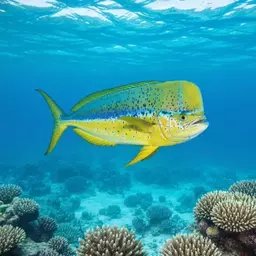
Have you ever been curious about the vibrant and spirited dolphin fish? Commonly known as mahi-mahi or dorado, this remarkable fish is easily recognized by its brilliant colors and unique shape. With a streamlined body that can reach impressive lengths of up to 1.5 meters, the dolphin fish is not just a sight to behold; it also plays a significant role in the ocean's ecosystem. Understanding its characteristics can enhance your appreciation for both the species and the sport of fishing!
These fish are known for their striking green and yellow hues, which make them a favorite among anglers and seafood lovers alike. Aside from their beautiful appearance, dolphin fish are also renowned for their incredible agility and strength, making them a thrilling catch for those who venture out to sea. As a marine biologist and the founder of the Marine Species Guide, I can attest to the joy these fish bring to the fishing community!
What is Dolphin Fish and Its Characteristics?
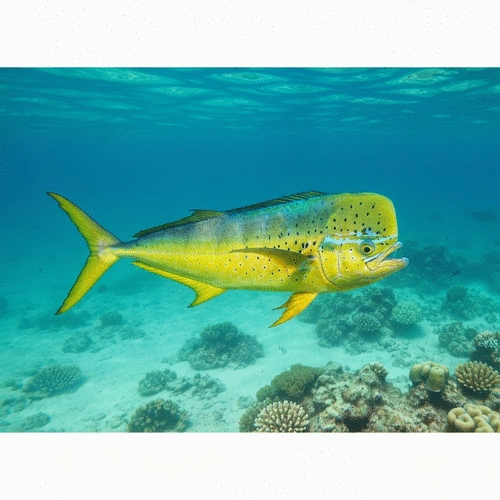
The dolphin fish, or mahi-mahi, belongs to the Coryphaenidae family and is often found in warm oceanic waters, particularly around Australia. With a distinctive long, narrow body and a forked tail, this fish is built for speed and can reach impressive speeds while swimming. What makes them even more fascinating is their rapid growth rate; they can grow from a juvenile size to over a meter long in just a year!
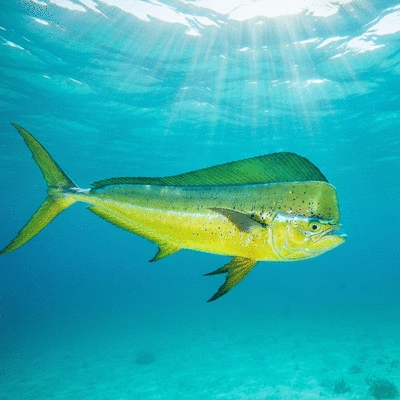
- Coloration: Bright green and yellow on the sides, with a bluish hue on the back.
- Habitat: Prefers warm, tropical waters and is commonly found near floating debris or undersea structures.
- Diet: Feeds on smaller fish, squid, and crustaceans.
Understanding these characteristics not only helps in identifying the dolphin fish but also assists anglers in targeting them effectively. The beauty of mahi-mahi extends beyond its colors; it’s also a symbol of sustainable fishing practices, which we advocate for at the Marine Species Guide.
Why Mahi Mahi is Popular Among Australian Anglers
Mahi-mahi has gained immense popularity among anglers in Australia for a variety of reasons. One of the primary factors is their delicious flavor. Known for its mild, sweet taste and firm texture, dolphin fish is a preferred choice for many seafood lovers. This makes for an exciting catch that can easily transform into a delectable meal!
- Sporting Challenge: Their agility and fighting spirit provide a thrilling experience when reeling them in.
- Accessibility: Dolphin fish can be caught from both boats and shorelines, appealing to various fishing enthusiasts.
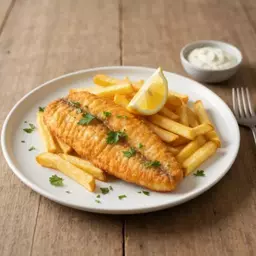
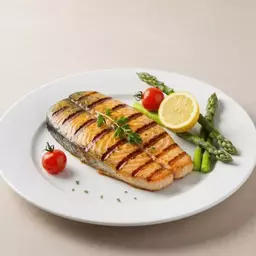
- Culinary Versatility: Mahi-mahi can be grilled, baked, or used in tacos, making it a favorite among chefs and home cooks!
In addition to their gastronomic appeal, mahi-mahi supports local fishing economies, driving tourism and recreational fishing efforts. By promoting responsible angling, we can enjoy this fish while ensuring its populations remain healthy and thriving!
The Role of Dolphin Fish in Marine Biodiversity
The dolphin fish holds a vital place in marine ecosystems. As a medium predator, it helps maintain the balance within the food web by preying on smaller fish and invertebrates, which in turn supports the health of marine biodiversity. Their vibrant colors and unique behaviors also play a role in attracting other marine species, contributing to the richness of underwater habitats.
- Indicator Species: Mahi-mahi serve as indicators of ocean health, as their populations are sensitive to environmental changes.
- Conservation Efforts: Sustainable fishing practices contribute to the preservation of marine ecosystems.
- Community Engagement: Awareness and education about dolphin fish promote conservation and responsible consumption.
By understanding the ecological significance of dolphin fish, we can appreciate their beauty and role in our oceans while fostering a commitment to marine conservation. Join us at the Marine Species Guide as we explore the wonders of this incredible fish and support sustainable fishing practices!
Frequently Asked Questions about Mahi-Mahi Fishing
Here are some common questions about mahi-mahi, their characteristics, and how to catch them:
What is mahi-mahi also known as?
Mahi-mahi is commonly known as dolphin fish or dorado, but it is not related to marine mammals like dolphins.
What are the distinguishing characteristics of mahi-mahi?
Mahi-mahi are recognizable by their vibrant green and yellow colors, a bluish back, and a streamlined body that can grow up to 1.5 meters. They are known for their rapid growth rate.
Where can mahi-mahi typically be found?
Mahi-mahi prefer warm, tropical oceanic waters and are often found near floating debris, sargassum beds, or underwater structures like reefs and wrecks.
Why is mahi-mahi a popular target for anglers?
Anglers enjoy catching mahi-mahi due to their delicious mild, sweet flavor, firm texture, and their strong fighting spirit, which offers a thrilling sporting challenge. They are also versatile for cooking.
What role does mahi-mahi play in marine ecosystems?
As a medium predator, mahi-mahi helps maintain balance in the food web by feeding on smaller fish and invertebrates. They also serve as an indicator species for ocean health.
What are the best baits to use for catching mahi-mahi?
Effective baits include live baits like small tuna or mackerel, squid (which mimics their natural diet), cut bait such as bonito or pilchards, and brightly colored artificial lures.
How can I find good fishing spots for mahi-mahi in Australia?
To find good spots, research local fishing reports, look for underwater structures (reefs, wrecks, ledges), use satellite maps to locate Fish Aggregating Devices (FADs), and ask local anglers for recommendations.
How can fish finder technology help in catching mahi-mahi?
Fish finders help by identifying schools of baitfish (where mahi-mahi are likely to be), detecting temperature changes (they prefer warmer waters), and showing depth readings to find optimal feeding locations. Familiarizing yourself with the device's settings is key.
Did You Know?
According to the Australian Bureau of Agricultural and Resource Economics and Sciences (ABARES), the demand for sustainable seafood, like mahi-mahi, has risen by over 30% in the last five years. This trend highlights the growing awareness and commitment to responsible fishing practices among consumers.
Common Questions About Catching Dolphin Fish
As I’ve spent years diving into the world of dolphin fish, I often get asked a few key questions that every angler should know. Understanding these aspects can significantly enhance your chances of a successful catch. Let's explore some of the most common inquiries that come up when discussing mahi-mahi fishing!
What Are the Best Baits for Mahi Mahi?
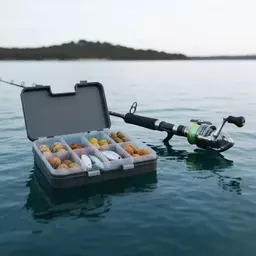
Choosing the right bait is crucial when targeting mahi-mahi. These fish are notorious for their vibrant colors and energetic behavior, making them both a challenge and a thrill to catch! Here are some of the best baits that I recommend based on my experiences:
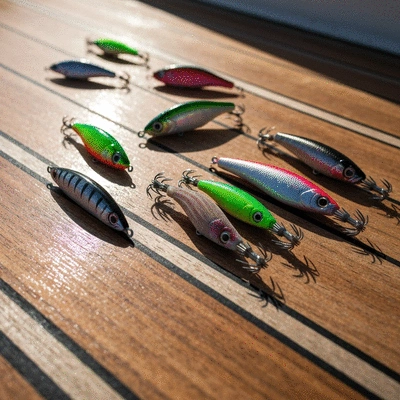
- Live baits like small tuna or mackerel
- Squid, which can mimic their natural diet
- Cut bait, especially bonito or pilchards
- Artificial lures that reflect bright colors
Experimenting with these options can give you a competitive edge! I’ve found that using a combination of live bait and lures often yields great results, especially during peak feeding times.
How Do I Find the Best Fishing Spots in Australia?
Finding the perfect fishing spot can sometimes feel like searching for a needle in a haystack. However, several strategies can help you pinpoint where the dolphin fish are hanging out. Here are a few tips I’ve picked up along the way:
- Research local fishing reports and forums for recent catches
- Look for underwater structures like reefs, wrecks, and ledges
- Use satellite maps to spot fish aggregating devices (FADs)
- Ask local anglers for recommendations on good fishing areas
By combining these methods, you’ll likely discover hotspots that are teeming with mahi-mahi. Don’t hesitate to reach out to your local fishing community – they can be an invaluable resource!
How to Use Fish Finder Technology for Improved Catch Rates
In today’s fishing world, technology can be your best friend! A fish finder can significantly increase your chances of success. Here’s how to effectively use this tool to your advantage:
- Familiarize yourself with the settings and features of your fish finder
- Look for temperature changes, as mahi-mahi often prefer warmer waters
- Identify schools of baitfish, as dolphin fish are usually nearby
- Pay attention to depth readings to find where they’re feeding
Utilizing fish finder technology makes locating dolphin fish much easier! I often rely on my fish finder when exploring new waters, and it has greatly improved my catch rates.
Connecting with the Fishing Community and Resources
Fishing isn’t just about the catch; it’s also about the community that comes with it! Connecting with fellow anglers can elevate your fishing experience to new heights. Here are some ways to dive into the fishing community:
Where to Find Fishing Charters and Guides
Hiring a local charter or guide can open up a world of opportunities, especially if you’re unfamiliar with the waters. They often know the best spots and techniques for catching dolphin fish. Here’s how to find a reliable charter:
- Search for local fishing charters online and read reviews
- Check social media platforms for recommendations from fellow anglers
- Visit local bait shops; they usually have great connections
Whether you’re an experienced angler or a beginner, a good charter service can transform your fishing day into an unforgettable adventure! Consider reading about catching mahi-mahi on the reef for more targeted tips.
Fishing Competitions: Engaging with Local Angler Communities
Participating in fishing competitions can be a fantastic way to meet fellow fishing enthusiasts. These events not only offer a chance to showcase your skills but also foster camaraderie and learning. Consider joining:
- Local fishing tournaments or contests
- Charity fishing events that support marine conservation
- Clubs or organizations dedicated to fishing and marine life
Joining these events creates a sense of community and allows you to share your passion for fishing. Plus, you might learn some new tricks along the way!
Sharing Your Catches: User-Generated Content and Engagement
Sharing your fishing experiences can inspire others and foster a sense of connection within the community. Platforms like Instagram and Facebook are great for showcasing your mahi-mahi catches. Here are a few ideas:
- Post photos of your catches with a brief story about the experience
- Share tips and techniques that worked for you
- Engage with others by asking about their fishing stories
By sharing your catches, you contribute to a larger dialogue about fishing and conservation, which is essential in today’s world! I love seeing the vibrant catches from fellow anglers, and it motivates me to get back out there!
Bringing It All Together: Your Next Fishing Adventure
As we’ve explored, there’s so much to learn and experience when it comes to catching dolphin fish in Australia. With the right techniques, community support, and a little bit of technology, your next fishing adventure is sure to be fruitful. I encourage you to get out there, embrace the thrill of fishing, and enjoy everything our beautiful oceans have to offer! For some culinary inspiration, don't forget to check out some simple mahi-mahi recipes to try.
Recap of Key Points
Here is a quick recap of the important points discussed in the article:
- Dolphin Fish Characteristics: The mahi-mahi, known for its vibrant green and yellow hues, thrives in warm oceanic waters and has a rapid growth rate.
- Popularity Among Anglers: Mahi-mahi is favored for its delicious flavor, accessibility for fishing, and culinary versatility.
- Ecological Importance: As a medium predator, dolphin fish plays a crucial role in maintaining marine biodiversity and serves as an indicator of ocean health.
- Effective Fishing Strategies: Utilize live bait, research local fishing spots, and leverage fish finder technology for improved catch rates.
- Community Engagement: Connecting with local anglers and participating in fishing competitions fosters a sense of community and promotes responsible fishing practices.