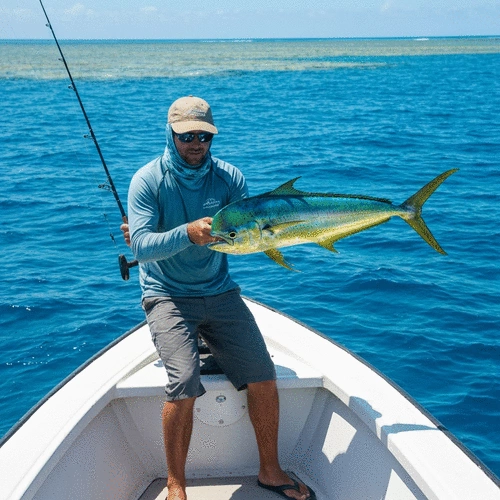
Have you ever found yourself captivated by the vibrant colors and energetic leaps of the mahi-mahi? Fishing in the Great Barrier Reef isn’t merely about the catch; it’s an adventure that intertwines thrill with a deep appreciation for marine conservation.
What You Will Learn
- Mahi-mahi are not only visually stunning but also contribute significantly to the ecosystem of the Great Barrier Reef.
- Key characteristics of mahi-mahi, including their habitat preferences and seasonal behavior, can help anglers plan successful fishing trips.
- Understanding the impact of water temperature and seasonal changes on mahi-mahi fishing can enhance your fishing experience.
- Essential gear and safety tips are crucial for a successful and safe fishing adventure on the Great Barrier Reef.
Mahi-Mahi Fishing Dynamics on the Great Barrier Reef
This visual breaks down the key factors influencing Mahi-Mahi fishing success and preparation in the Great Barrier Reef, highlighting seasonal patterns, essential gear, and crucial safety measures. Understanding these dynamics is crucial for sustainable dolphin fish fishing practices.
Seasonal Mahi-Mahi Activity
Essential Gear for GBR Fishing
Mahi-Mahi Characteristics
Great Barrier Reef Safety Tips
Understanding Mahi-Mahi Fishing Techniques on the Great Barrier Reef
Have you ever thought about the thrill of catching a vibrant dolphin fish, or mahi-mahi, while surrounded by the stunning beauty of the Great Barrier Reef? Fishing for mahi-mahi here isn’t just about the catch; it’s about immersing yourself in a unique ecosystem that is teeming with life. The excitement of the chase, paired with the breathtaking backdrop, makes the Great Barrier Reef a premier location for anglers looking to reel in this magnificent species.
Why Target Dolphin Fish (Mahi-Mahi) in the GBR?
The allure of mahi-mahi fishing lies not only in the fish's stunning appearance but also in their delicious taste. As a marine biologist, I can tell you that these fish are a vital part of the reef’s ecosystem. Their vibrant colors and acrobatic leaps draw anglers from all over, eager to experience the unmatched thrill of a mahi-mahi on the line. Plus, targeting this species supports sustainable fishing practices that are essential to preserving our marine habitats.
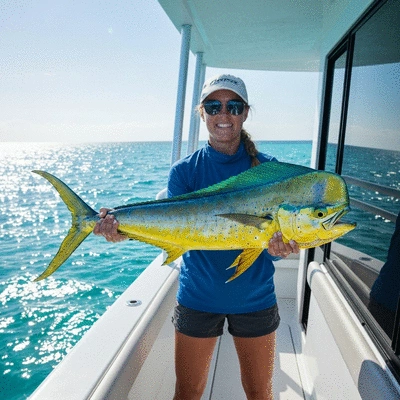
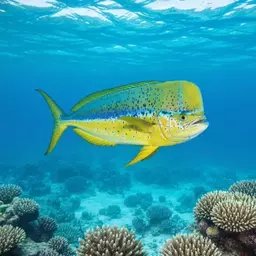
- Vibrant Colors: Mahi-mahi are known for their stunning blue and yellow hues, making them a sight to behold.
- Delicious Taste: Their firm, flavorful flesh is a favorite among seafood lovers.
- Strong Fight: These fish are known for their incredible strength and energetic jumps, providing an exhilarating challenge for anglers.
Fishing for mahi-mahi in the Great Barrier Reef allows you to connect with the ocean while learning about sustainable practices. It's a win-win for both anglers and our beautiful marine environments! For those interested in preparing their catch, check out these simple mahi-mahi recipes to try.
Key Characteristics of Mahi-Mahi
Understanding the behavior and habitat of mahi-mahi can significantly enhance your fishing success. Mahi-mahi typically thrive in warm waters and are often found near floating debris, weed lines, or around artificial fish aggregating devices (FADs). Their seasonal patterns influence their availability, with peak fishing often occurring during warmer months when they gather in larger schools.
- Behavior: Mahi-mahi are highly active during the day, making them easier to catch.
- Habitat: They prefer warm, tropical waters, often close to the surface.
- Seasonal Patterns: Their presence peaks in summer months, particularly from November to March in the GBR.
As someone who specializes in marine species, I can assure you that being aware of these key characteristics will help you plan your fishing trips more effectively. Knowing where and when to find mahi-mahi is crucial for a successful catch!
Seasonality and Water Temperature Effects on Mahi-Mahi Fishing
Let's talk about how the changing seasons and water temperatures affect mahi-mahi fishing. Throughout the year, these factors play a significant role in their behavior and feeding habits. Typically, warmer water temperatures lead to increased mahi-mahi activity, making summer the ideal time for anglers.
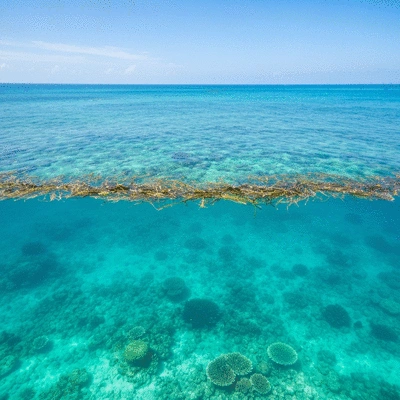
- Spring: As temperatures rise, mahi-mahi begin to migrate toward the GBR, leading to better fishing opportunities.
- Summer: Peak fishing season; warm waters trigger higher feeding activity, making them easier to catch.
- Fall: Transition period; fishing can be inconsistent as mahi-mahi start to disperse.
- Winter: Cooler temperatures may reduce mahi-mahi activity, requiring more strategic fishing approaches.
By monitoring water temperatures and seasonal changes, you can optimize your fishing trips and increase your chances of landing a mahi-mahi. Remember, knowledge is power when it comes to fishing in the Great Barrier Reef!
Effective Techniques for Catching Dolphin Fish
Now that we’ve explored the allure of mahi-mahi fishing and their characteristics, let’s dive into effective techniques for catching these incredible fish. Whether you’re a seasoned angler or just starting out, mastering the right methods can make all the difference in your fishing success.
We Want to Hear From You!
As you prepare for your mahi-mahi fishing adventure, what aspect are you most excited about? Is it the thrill of the catch, the beautiful surroundings, or perhaps the culinary possibilities? Share your thoughts below:
Preparing for Your Mahi-Mahi Fishing Adventure
Essential Gear and Tackle for Great Barrier Reef Fishing
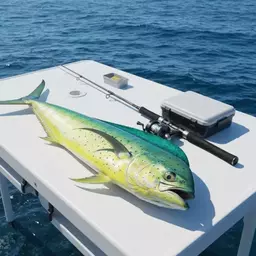
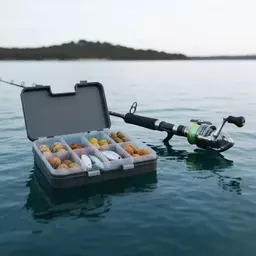
Embarking on a mahi-mahi fishing trip in the stunning Great Barrier Reef requires the right gear to enhance your experience. Having the appropriate tackle can make all the difference in successfully landing this vibrant fish! Here are some essential items you'll want to consider:
- Rods: Opt for a medium to heavy action rod to withstand the fight of mahi-mahi, typically ranging from 6 to 7 feet in length.
- Reels: A durable reel with a high gear ratio will help you reel in these fast swimmers effectively. Look for a spinning or conventional reel with a line capacity of at least 300 yards.
- Line: Use a braided line in the 30-65 lb test range for better sensitivity and strength, allowing you to feel even the slightest nibble.
- Leaders: A fluorocarbon leader, about 40-60 lb test, is ideal for its invisibility underwater and its resistance to abrasion.
With the right gear, your chances of a successful mahi-mahi catch significantly increase. Always ensure your equipment is well-maintained and ready for the adventure ahead!
Safety Tips for Fishing on the Great Barrier Reef
Your safety should be a top priority while fishing in the Great Barrier Reef. The beauty of this ecosystem is matched only by the need for caution while exploring it. Here are key safety tips to keep in mind:
- Check the Weather: Before heading out, ensure to check the forecast. Sudden storms can arise in the tropics, affecting visibility and safety.
- Wear Life Jackets: Always have personal flotation devices available and wear them when necessary, especially when the boat is in motion.
- Stay Hydrated: Bring plenty of water and take breaks to stay hydrated, as the sun can be intense.
- Communicate Your Plans: Inform someone on land about your fishing location and expected return time. This precaution is essential for safety in remote areas.
By following these safety tips, you’ll ensure a more enjoyable and secure fishing adventure. Remember, the Great Barrier Reef is not just about the fishing—it's also about experiencing and respecting this remarkable marine environment! For a deeper dive into conservation efforts, you can learn more about protecting dolphin fish in Australia.
Frequently Asked Questions About Mahi-Mahi Fishing in the Great Barrier Reef
Recap of Key Points
Here is a quick recap of the important points discussed in the article:
- Targeting Mahi-Mahi: The vibrant colors and delicious taste of mahi-mahi make it a prized catch while also supporting sustainable fishing practices.
- Understanding Behavior: Mahi-mahi are active during the day, preferring warm waters and often found near floating debris or artificial fish aggregating devices (FADs).
- Seasonal Patterns: Peak fishing occurs from November to March, with warmer water temperatures increasing mahi-mahi activity.
- Essential Gear: Use a medium to heavy action rod, durable reel, and braided line for optimal fishing success.
- Safety Tips: Always check the weather, wear life jackets, stay hydrated, and communicate your plans for a safer fishing adventure.